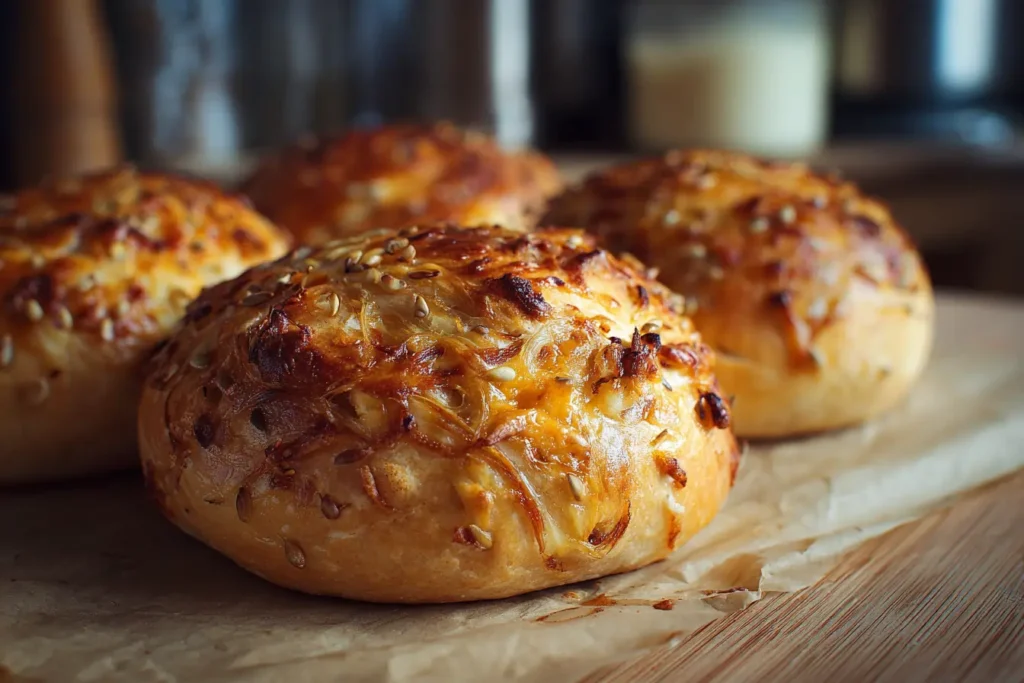
I can’t remember the first time I made cheese and onion rolls, but I do remember eating one straight off the baking tray while standing in my kitchen, slightly burned fingers and all, thinking: “Okay… this is why people love baking.”
I’ve made them on quiet afternoons, on rushed evenings when dinner needed to be comforting, and once during a very optimistic “I don’t need to measure anything” phase (spoiler: I did). Some batches were bakery-perfect. Others still tasted amazing… even if the cheese escaped a little and the onions had opinions.
What I learned over time is that cheese and onion rolls aren’t complicated — they just need a bit of love, the right choices, and someone to explain why things work. This guide is exactly that. Warm, honest, and built for real kitchens — the kind where flour ends up everywhere and the best roll is always the one you eat first.
Table of Contents
Table of Contents
Why Cheese and Onion Rolls Deserve a Little More Thought
Cheese and onion rolls sound simple—until you bake a batch that’s dry, soggy on the bottom, or mysteriously leaking cheese. If that’s happened to you, it’s not your fault. Most recipes skip the small details that actually make or break these rolls.
The truth is, cheese and onion rolls are all about balance. Cheese brings richness (and potential leaks), onions bring moisture (and potential sogginess), and the dough has to hold everything together without drying out. Once you understand that balance, the whole process becomes easy—and honestly, fun.
I ran into the same lessons while testing savory bakes like my homemade buttermilk English muffins, where moisture and structure matter just as much as flavor. The good news? You don’t need complicated techniques—just the right choices.
Why These Rolls Often Go Wrong
Most problems come from one of these:
- Using the wrong cheese for baking
- Adding onions without managing moisture
- Picking a dough that doesn’t match the texture you want
What This Guide Does Instead
| Problem | What You’ll Learn Here |
|---|---|
| Dry rolls | How dough and cheese affect softness |
| Soggy bottoms | How to prep onions properly |
| Leaking cheese | Simple shaping rules that work |
Before we touch any ingredients, we’ll start with the most important step: choosing the type of cheese and onion rolls you actually want to make.
Choose Your Perfect Cheese and Onion Roll Style
Before you start baking, pause for one quick question: what kind of roll do you actually want?
Cheese and onion rolls can be soft, flaky, or quick — and choosing the style first makes everything else easier.
The Three Main Styles
- Soft yeasted rolls – fluffy, bakery-style, and comforting
- Flaky puff pastry rolls – crisp layers, fast, and great for parties
- Quick no-yeast rolls – simple, reliable, and weeknight-friendly
If you’re already comfortable with yeast-based doughs like my homemade buttermilk English muffins, the soft roll option will feel natural. If not, the other two are just as satisfying.
Quick Selector: Which One Should You Make?
| You want… | Choose this |
|---|---|
| Soft, bakery-style texture | Yeasted rolls |
| Crisp, flaky layers | Puff pastry |
| Fast and beginner-friendly | No-yeast rolls |
Once you know your roll style, the next step is choosing the right cheese — because that choice affects flavor, texture, and how well everything stays inside the roll.
The Best Cheese for Cheese and Onion Rolls (And Why It Matters)
Cheese isn’t just about flavor here — it controls how your rolls melt, stay soft, and hold together. The wrong cheese can make rolls greasy or cause the filling to escape, while the right one gives you that cozy, bakery-style bite.
Cheddar: Sharp vs Mild
Cheddar is the classic choice, and for good reason.
- Sharp cheddar → stronger flavor, less needed
- Mild cheddar → creamier, softer melt
Both work well, but sharper cheese means better flavor without overfilling.
Mozzarella, Gruyère, and Cheese Blends
These cheeses are best used in combination, not alone.
- Mozzarella adds stretch but little flavor
- Gruyère adds richness and depth
- Blends give balance (flavor + melt)
If you’ve ever noticed how cheese behaves differently in recipes like my crispy blueberry grilled cheese, the same melting rules apply here.
What NOT to Use
Some cheeses sound tempting but cause problems:
- Pre-shredded cheese (doesn’t melt smoothly)
- Very soft, high-moisture cheeses
- Extremely oily cheeses that leak when hot
Quick Cheese Comparison
| Cheese type | Best for | Watch out for |
|---|---|---|
| Sharp cheddar | Strong flavor | Can dry if overused |
| Mild cheddar | Creamy rolls | Needs more quantity |
| Mozzarella (blended) | Stretch | Weak flavor alone |
| Gruyère (blended) | Richness | Can be heavy solo |
Once your cheese is sorted, the next thing to control is onion moisture — because that’s what decides whether your rolls stay golden or turn soggy.
Onion Prep Science (How to Avoid Soggy Rolls)
Onions are what give these rolls their cozy, savory flavor — but they’re also the number one reason rolls turn soggy if they’re not handled properly. The trick isn’t avoiding onions, it’s choosing the right prep for the texture you want.
Raw Onions: Fast but Risky
Raw onions are convenient, but they release a lot of moisture as they bake.
- Stronger onion bite
- Higher risk of soggy bottoms
- Best used in very small amounts
Sautéed Onions: The Most Reliable Option
This is the safest, most predictable choice.
- Moisture is reduced before baking
- Flavor becomes sweeter and more balanced
- Rolls bake more evenly
This is the same moisture-control principle I use in recipes like sweet chili halloumi wraps, where fillings need to stay flavorful without turning wet.
Caramelized Onions: Maximum Flavor
Caramelized onions bring depth and sweetness, but they’re softer by nature.
- Deep, rich flavor
- Slightly softer interior texture
- Best paired with sharper cheeses
Onion Size Matters
No matter how you prep them:
- Finely chopped onions distribute better
- Large chunks release moisture unevenly
- Even size = even baking
Once your onions are prepped the right way, you’ve handled the biggest moisture risk. Next, we’ll put everything together with a foolproof base method that works for every roll style.
Print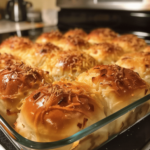
Cheese and Onion Rolls
- Total Time: 45 minutes (plus rising time)
- Yield: 8 rolls 1x
- Diet: Vegetarian
Description
These cheese and onion rolls are soft, savory, and deeply comforting, with a tender interior and a golden top. Made with simple ingredients and real-kitchen logic, they’re perfect for breakfast, lunch, or anytime you want something warm and cheesy fresh from the oven.
Ingredients
-
2 ¾ cups all-purpose flour
-
2 ¼ teaspoons instant yeast
-
1 teaspoon salt
-
1 tablespoon sugar
-
¾ cup warm milk
-
3 tablespoons olive oil or melted butter
-
1 cup grated cheddar cheese (sharp or mild)
-
1 medium onion, finely chopped and sautéed until soft
-
1 egg or milk, for brushing the tops
Instructions
-
In a large bowl, mix flour, yeast, salt, and sugar.
-
Add warm milk and oil. Mix until a soft dough forms.
-
Knead briefly until smooth, then cover and let rise until doubled in size.
-
Roll the dough into a rectangle on a lightly floured surface.
-
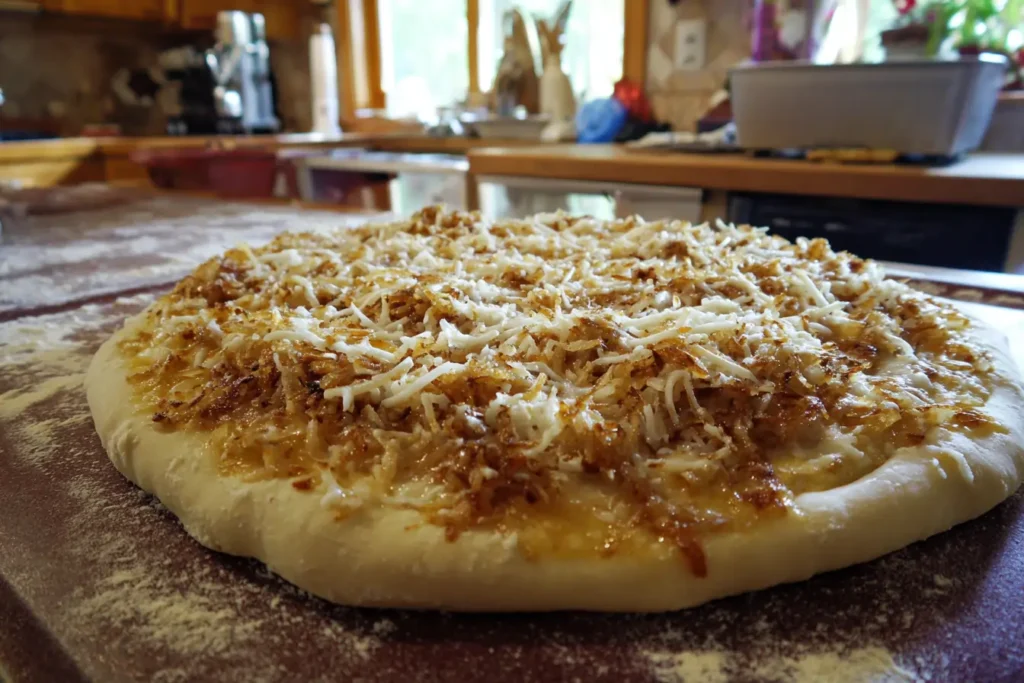
Sprinkle cheese evenly over the dough, then add the sautéed onions.
-
Roll the dough tightly into a log and slice into even rolls.
-
Place rolls seam-side down on a lined baking tray.
-
Cover and let rise again for about 20–30 minutes.
-
Brush tops with egg or milk.
-
Bake at 180°C / 350°F for 20–25 minutes, until golden and baked through.
Notes
-
Sautéing the onions first prevents soggy rolls.
-
Sharp cheddar gives more flavor with less cheese.
-
Avoid overfilling to prevent cheese leaking during baking.
-
Best enjoyed warm, the day they’re baked.
- Prep Time: 20 minutes
- Cook Time: 25 minutes
- Category: Lunch
- Method: Baking
- Cuisine: British-inspired
Nutrition
- Serving Size: 1 roll
- Calories: 260 kcal
- Sugar: 3 g
- Sodium: 420 mg
- Fat: 12 g
- Saturated Fat: 6 g
- Unsaturated Fat: 5 g
- Trans Fat: 0 g
- Carbohydrates: 32 g
- Fiber: 2 g
- Protein: 10 g
- Cholesterol: 35 mg
The Foolproof Base Method (Works for All Roll Styles)
No matter which roll style you chose, there are a few non-negotiable rules that make cheese and onion rolls work every single time. Think of this as the safety net — follow these basics, and the details won’t trip you up.
Ingredient Ratios That Actually Matter
You don’t need exact grams here, but balance matters.
- More cheese ≠ better rolls (too much causes leaks)
- Onions should never outweigh cheese
- Dough should feel soft, not sticky
A good rule of thumb: the filling should look generous but still leave dough visible.
Assembly Order (This Prevents Leaks)
The order matters more than people realize:
- Dough first
- Cheese next (acts as a barrier)
- Onions last (keeps moisture away from the dough)
This layering technique is similar to what I use in filled dough recipes like garlic parmesan cheeseburger bombs, where sealing and structure are everything.
Shaping Rules That Save You Later
- Don’t overfill
- Pinch seams firmly
- Place rolls seam-side down
- Leave a little space between rolls on the tray
Baking Temperatures Explained
You’re aiming for even heat, not aggressive browning.
| What you want | How to bake |
|---|---|
| Soft interior | Moderate oven, center rack |
| Golden top | Finish uncovered |
| Even bottoms | Light-colored baking tray |
Texture Control Guide (Get the Result You Want)
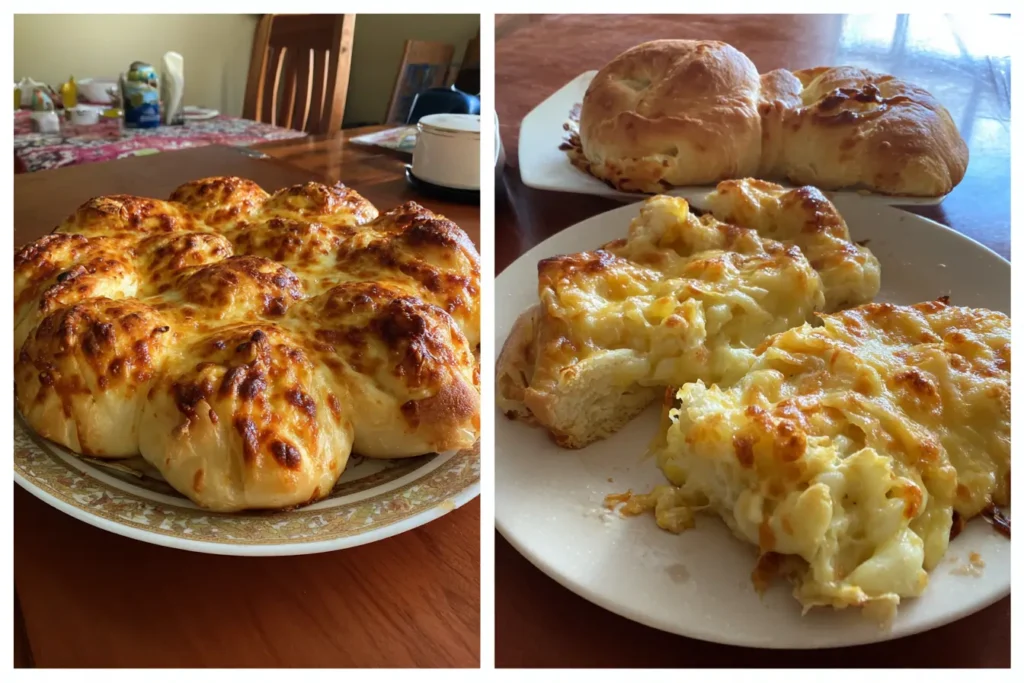
With cheese and onion rolls, texture is what turns a good bake into a great one. Small adjustments during baking make a big difference in whether your rolls come out soft, flaky, or somewhere perfectly in between.
How to Keep Cheese and Onion Rolls Soft Inside
If your goal is soft cheese and onion rolls with a tender, bakery-style crumb, focus on gentle heat and moisture protection.
- Don’t overbake — remove the cheese and onion rolls when the tops are lightly golden
- Keep the rolls slightly close together so they stay soft as they bake
- Use minimal extra flour when shaping, which can dry out the dough
Soft cheese and onion rolls should feel light and pillowy, not stiff or heavy.
How to Get a Crispy, Golden Top
If you prefer cheese and onion rolls with a crisp exterior, a few finishing touches help create contrast.
- Brush the tops lightly with milk or egg wash
- Bake the cheese and onion rolls uncovered
- Give the rolls space on the tray so hot air circulates
This method works especially well for flaky cheese and onion rolls made with puff pastry.
Bakery-Style Crumb Secrets
The inside texture of cheese and onion rolls matters just as much as the outside.
- Let the dough rest before shaping
- Don’t rush the final rise for yeasted cheese and onion rolls
- Handle the dough gently to keep air inside
These small habits are what give cheese and onion rolls that soft, airy crumb you’d expect from a bakery.
Quick Texture Reference
| For these cheese and onion rolls… | Focus on this |
|---|---|
| Very soft cheese and onion rolls | Moderate heat, minimal flour |
| Flaky cheese and onion rolls | Open baking, light wash |
| Bakery-style cheese and onion rolls | Rested dough, gentle shaping |
With texture handled, the final piece is understanding how cheese and onion rolls fit into a balanced meal, which leads us to nutrition.
Nutrition Information for Cheese and Onion Rolls
Cheese and onion rolls are meant to be comforting and satisfying, but it’s still helpful to understand what’s inside them and how small ingredient choices affect the overall nutrition.
Approximate Nutrition (Per Roll)
Values vary based on roll size, dough type, and cheese used.
| Nutrient | Estimated Amount |
|---|---|
| Calories | 220–280 kcal |
| Protein | 8–12 g |
| Carbohydrates | 25–35 g |
| Fat | 10–14 g |
| Fiber | 1–3 g |
Soft yeasted cheese and onion rolls tend to be higher in carbohydrates, while flaky cheese and onion rolls made with puff pastry are typically higher in fat.
How Ingredients Affect Nutrition
A few choices make a real difference:
- Cheese choice
Using sharp cheddar gives more flavor with less cheese. According to cheese nutrition guidance from USDA, portion size has a bigger impact on calories than cheese type alone. - Onion preparation
Onions add flavor and small amounts of fiber without significantly increasing calories. Cooking onions first improves taste, which often means you don’t need extra cheese for satisfaction. - Dough style
Yeasted doughs tend to feel lighter per bite, while no-yeast and pastry-based cheese and onion rolls are more dense and filling.
Easy Ways to Adjust Nutrition
If you’d like to tweak your cheese and onion rolls:
- Use part-skim or reduced-fat cheese for a lighter option
- Add herbs or spices to boost flavor without extra fat
- Make slightly smaller rolls and pair them with a vegetable-heavy side
For general guidance on balancing baked goods within meals, resources from FoodSafety are a helpful reference for portioning and food balance.
Cheese and onion rolls fit beautifully into a balanced meal — especially alongside fresh vegetables or a simple salad.
Variations and Customizations
Once you understand the basics, cheese and onion rolls become incredibly adaptable. Small changes let you tailor them to different tastes, diets, or occasions without breaking the structure.

Vegetarian and Vegan Cheese and Onion Rolls
Classic cheese and onion rolls are naturally vegetarian, but they can also be adapted.
- Use plant-based cheese that melts well
- Add a little extra oil to compensate for lower fat
- Expect a slightly firmer texture
If you enjoy savory vegetarian recipes like my sweet chili halloumi wraps, the flavor balance here will feel familiar.
Add-Ins That Actually Work
These additions boost flavor without adding excess moisture:
- Fresh herbs (chives, thyme, parsley)
- A thin layer of Dijon or whole-grain mustard
- Finely sliced spring onions mixed with cooked onions
Always add extras sparingly — the dough should still be the star.
Kid-Friendly vs Adult Versions
Cheese and onion rolls can easily suit different eaters:
- Kid-friendly: mild cheese, finely chopped onions
- Adult-friendly: sharper cheese, caramelized onions, herbs
This makes them ideal for serving the same base recipe in slightly different ways.
With variations covered, all that’s left is answering the most common questions bakers have before getting started.
Frequently Asked Questions About Cheese and Onion Rolls
What cheese is best for cheese and onion rolls?
Cheddar is the most reliable choice for cheese and onion rolls. Sharp cheddar gives strong flavor with less cheese, while mild cheddar melts more softly. Blends with mozzarella or Gruyère also work well when used in moderation.
Can I make cheese and onion rolls without yeast?
Yes. No-yeast cheese and onion rolls are a great option for beginners or busy days. They’re slightly denser than yeasted rolls but still comforting and flavorful.
Can I use puff pastry instead of dough?
Absolutely. Puff pastry creates flaky cheese and onion rolls with crisp layers. This option is ideal for quick bakes, parties, or when you want an impressive result with minimal prep.
Why do my cheese and onion rolls turn out dry?
Dry cheese and onion rolls are usually caused by overbaking, using too much flour when shaping, or choosing a cheese that releases too much oil. Baking just until golden makes a big difference.
How do I stop cheese from leaking out?
Avoid overfilling, seal the dough well, and place rolls seam-side down on the baking tray. Layering cheese before onions also helps create a barrier.
Final Tips for Perfect Cheese and Onion Rolls Every Time
Cheese and onion rolls don’t need to be complicated to be good. Once you understand how the cheese melts, how onions behave, and which roll style fits your day, everything else falls into place.
Before you bake, keep these final reminders in mind:
- Choose your roll style first — soft, flaky, or quick
- Prep onions with moisture in mind
- Use cheese that melts well and doesn’t overwhelm the dough
- Shape gently and don’t overfill
- Bake until golden, not dark
Most importantly, trust your kitchen instincts. Cheese and onion rolls are meant to be cozy, forgiving, and enjoyed warm — ideally with one eaten straight from the tray while no one’s watching.
If your rolls smell amazing and make you want to sneak an extra one, you’ve done it right.
for more recipes follow me in Facebook, Pinterest and medium.