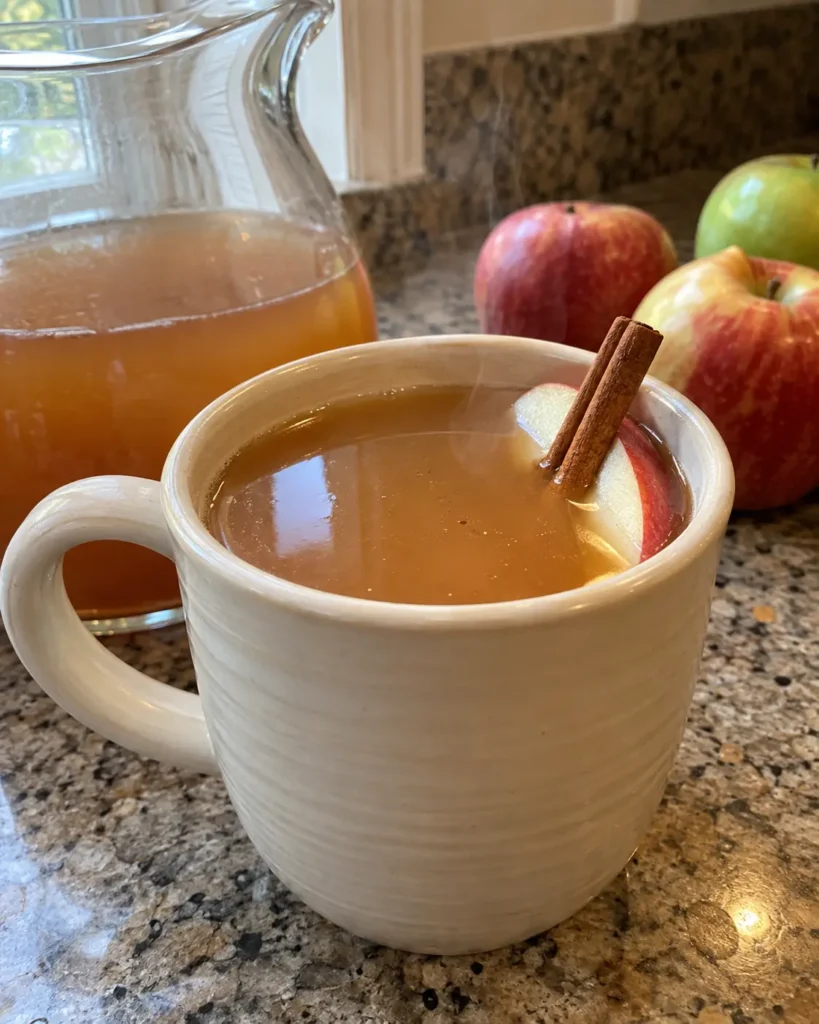
Homemade Apple Cider turns a pot of everyday apples into a warm, fragrant drink that tastes like fall. You do not need a fruit press or any special equipment—just a large pot, a potato masher, and a fine-mesh strainer.
This easy stovetop recipe balances sweet and tart apples with warm spices and a little orange. Because the sugar goes in after straining, you can sweeten only as much as needed. Serve it warm at a fall gathering or chill it for later. Save or print it for the next cool day that calls for a cozy, family-friendly drink.
Quick Recipe Snapshot
- Prep time: 20 minutes
- Cook time: 3 hours
- Total time: 3 hours 20 minutes
- Servings: 12 cups
- Difficulty level: Beginner-friendly
- Best for: Fall weekends, Halloween, Thanksgiving, Christmas, and casual gatherings
- Main method: Stovetop simmering
- Flavor profile: Fresh apple, warm cinnamon, gentle citrus, and mellow brown sugar
Table of Contents
Why You’ll Love This Homemade Apple Cider
- No apple press required. Slow simmering softens the fruit so you can extract plenty of flavor with basic kitchen tools.
- The sweetness is flexible. Add the brown sugar after straining, when you know whether your apples need it.
- It is family-friendly. This nonalcoholic drink works for children and adults.
- It smells wonderful. Apples and spices perfume the kitchen as they simmer.
- Leftovers are useful. Add them to pancakes, quick breads, sauces, or fall desserts.
What Makes This Recipe Work
The best cider starts with more than one kind of apple. Sweet apples provide natural sugar, while tart apples keep the drink bright. The USApple variety guide explains the flavor and texture of widely available choices.
Whole cinnamon, cloves, and allspice infuse the liquid gradually. They are also easy to strain out, which gives the finished drink a cleaner texture. The peeled orange adds freshness without allowing bitter peel or white pith to dominate the pot.
Mashing exposes more fruit to the water, and one final hour of gentle simmering builds fuller flavor. Light pressure during straining recovers the liquid without forcing too much cloudy pulp through the mesh.
Ingredients You’ll Need
- 10 medium apples: Use equal amounts of sweet and tart apples, such as Honeycrisp and Granny Smith.
- 1 medium orange: Peel it completely and separate it into sections. The citrus brightens the apples and warm spices.
- 4 cinnamon sticks: Sticks give steady cinnamon flavor without creating a powdery drink.
- 2 teaspoons whole cloves: Cloves are strong, so measure rather than adding a loose handful.
- 1 teaspoon whole allspice berries: These add warmth and gentle peppery depth.
- 12 cups water: Nearly cover the fruit without diluting its flavor.
- 1/3 cup packed light brown sugar: Add it after straining, then adjust to match the sweetness of your apples.
Ingredient Notes and Easy Swaps
Use five Honeycrisp or Gala apples and five Granny Smith apples. Very sweet fruit may need little sugar, while tart fruit may need a few extra tablespoons.
Replace brown sugar with granulated sugar or maple syrup if desired. For a pure apple-and-spice profile, omit the orange and add another apple.
Ground cinnamon works in a pinch, but makes the drink cloudier. Use 2 teaspoons and strain through cheesecloth. Orange peel and excess cloves can turn bitter during a long simmer.
How to Make Homemade Apple Cider
- Prepare the fruit. Wash the apples, remove damaged areas, quarter, and core them. Leave the skins on. Peel the orange and separate it into sections.
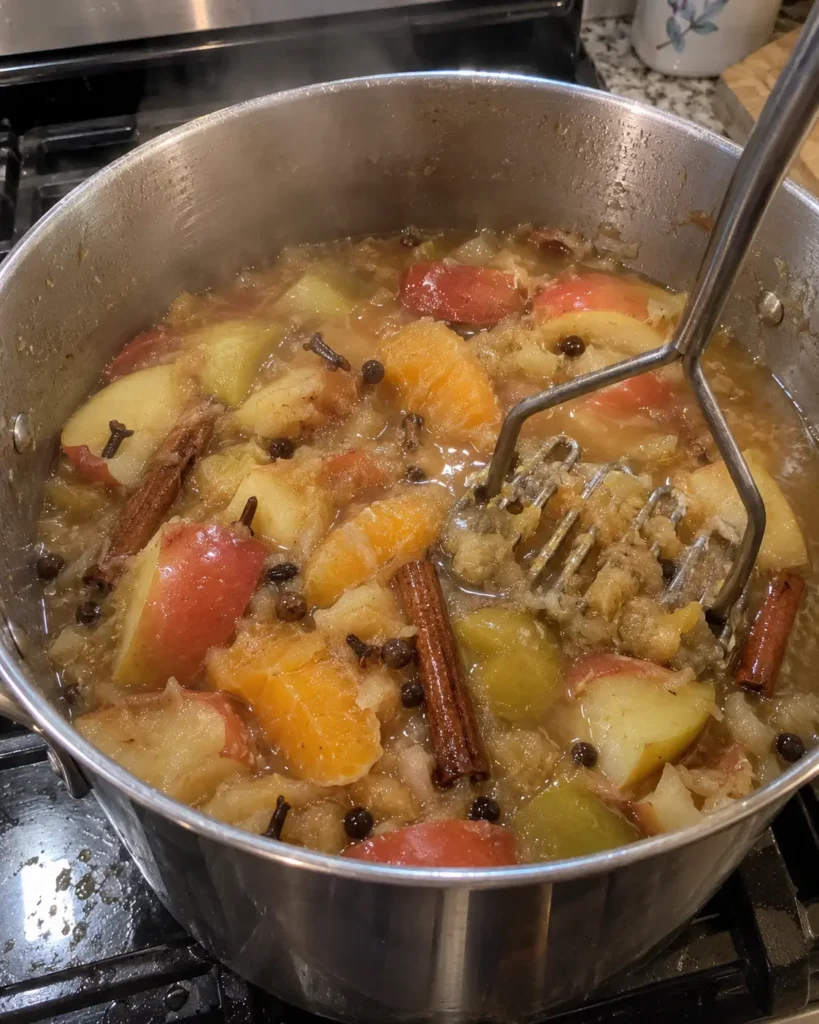
- Fill the pot. Put the fruit and spices in an 8-quart stockpot. Add 12 cups water. The fruit may float, but most pieces should sit near the waterline.
- Simmer. Heat over medium-high until small bubbles rise steadily. Reduce to low or medium-low, cover, and gently simmer for 2 hours. Avoid a hard boil.
- Mash the fruit. When the apples look collapsed and crush easily, mash them into a chunky pulp. A sturdy wooden spoon also works.
- Cook for 1 more hour. Cover the pot again and continue at a low simmer. The liquid should become deeper in color and smell clearly of apples and cinnamon.
- Strain carefully. Set a fine-mesh strainer over a pot or heat-safe bowl. Work in batches, pressing the solids gently. Strain again through cheesecloth for a clearer drink.
- Sweeten to taste. Stir 1/3 cup brown sugar into the warm liquid. Taste and add more 1 tablespoon at a time if needed.
- Serve. Pour the Homemade Apple Cider into mugs while warm, or cool it promptly and refrigerate it for serving later. A cinnamon stick or a thin apple slice makes a simple garnish.
Beginner Tips for Best Results
- Use a roomy stockpot so the fruit does not push liquid over the rim.
- Keep the skins for better color, but remove damaged spots and the cores.
- Maintain a gentle simmer rather than an aggressive boil.
- Taste after straining because fruit and spice solids make the unfinished liquid seem stronger.
- Press gently; heavy pressure sends cloudy pulp through the mesh.
- If the cider tastes weak, simmer the strained liquid uncovered for 10–20 minutes to concentrate it.
Common Mistakes to Avoid – Homemade Apple Cider
Using only very sweet apples: The drink may taste one-dimensional. Add Granny Smith or Pink Lady for acidity.
Adding too much water: More water creates more volume, but less apple flavor. Use only enough to nearly cover the fruit.
Leaving citrus peel in the pot: Long cooking extracts bitterness from the peel and white pith. Use peeled orange sections.
Sweetening before tasting: Apples vary considerably. Once sugar is added, it cannot be removed, so wait until the cider is strained.
Expecting clear cider after one strain: Use a cheesecloth-lined second pass for a smoother drink.
Easy Variations
- Ginger cider: Add a 1-inch piece of sliced fresh ginger for a lively finish.
- Extra-spiced: Add one whole star anise and a small piece of whole nutmeg. Remove both during straining.
- Vanilla: Stir in 1 teaspoon vanilla extract after straining.
- Maple: Replace the brown sugar with maple syrup added to taste.
- Reduced-sugar: Use naturally sweet apples and omit the added sugar unless the strained cider tastes too tart.
- Slow-cooker method: For a hands-off version, follow this Slow Cooker Apple Cider.
What to Serve With Homemade Apple Cider
A warm mug pairs naturally with cinnamon rolls, muffins, doughnuts, cookies, or a slice of spiced cake. For a cozy brunch, serve it beside Apple Cider Pancakes; the shared apple flavor makes the menu feel connected without extra work.
For dessert, try Apple Crisp Cheesecake. If you have more orchard apples to use, a batch of Slow Cooker Apple Butter is another practical fall project.
Make-Ahead Tips
You can prepare the drink up to 3 days before serving. Cool it promptly, transfer it to covered containers, and refrigerate. Reheat only what you need, or warm the full batch over low heat for a gathering.
You may also wash and quarter the apples several hours ahead, then refrigerate them in a covered container.
How to Store Homemade Apple Cider
Cool leftovers within 2 hours, transfer them to clean airtight containers, and refrigerate for up to 5 days. Discard cider that develops bubbles, mold, an alcoholic smell, or an unusual flavor.
Fresh fruit can carry harmful bacteria into untreated cider. The FDA’s juice-safety guidance recommends washing produce, removing damaged areas, and choosing treated juice, especially for higher-risk people. This recipe simmers the fruit, but clean handling and prompt refrigeration still matter.
Can You Freeze Homemade Apple Cider?
Yes. Cool it, pour it into freezer-safe containers with 1 inch of headspace, and freeze for up to 3 months. Small containers make portioning easier.
Thaw frozen cider overnight in the refrigerator. Stir before serving because a little natural sediment may settle during storage.
How to Reheat – Homemade Apple Cider
Warm a batch in a saucepan over low heat until steaming. For one mug, microwave in 30-second intervals, stirring each time.
If you are serving a crowd, transfer the hot cider to a slow cooker set to warm. For another helpful overview of pressing, slow-cooking, and using cider, see Food Network’s guide to making apple cider.
Nutrition Notes
The sugar and calories depend on the apples, sweetener, final yield, and amount of pulp pressed through. The estimate below is a general guide, not a medical claim.
Frequently Asked Questions – Homemade Apple Cider
Is homemade cider the same as apple juice?
Not exactly. In common U.S. usage, cider is usually less filtered, cloudier, and more robust. This stovetop version extracts flavor by simmering fruit rather than mechanically pressing it.
What are the best apples for Homemade Apple Cider?
Use a combination of sweet and tart varieties. Honeycrisp, Gala, or Fuji provides sweetness, while Granny Smith or Pink Lady adds brightness. A half-and-half blend is a dependable starting point.
Do I need to peel or core the apples?
Leave the apple skins on because they contribute color and flavor. Removing the cores is worthwhile because it reduces bitter notes and makes the leftover pulp easier to repurpose. Peel the orange completely.
Why does my cider taste bitter?
Orange pith, excess cloves, damaged fruit, or a hard boil can cause bitterness. Strain, sweeten gradually, and dilute with hot water if necessary.
How can I make the flavor stronger?
After straining, simmer the liquid uncovered for 10–20 minutes. This removes water and concentrates the apple flavor.
Can I make Homemade Apple Cider without added sugar?
Yes. Choose naturally sweet apples, then taste the strained drink before adding anything. If it needs balance, try a tablespoon of maple syrup or brown sugar rather than adding the full amount immediately.
Is this recipe alcoholic?
No. This is a nonalcoholic fresh-apple drink and does not use fermentation. Adults who want a spiked serving can add bourbon or dark rum to individual mugs after cooking, keeping the main batch family-friendly.
Final Thoughts – Homemade Apple Cider
Homemade Apple Cider is wonderfully forgiving: choose a balanced apple blend, keep the simmer gentle, and adjust the sweetness at the end. Those simple decisions give you a flavorful drink without specialized equipment or difficult techniques.
Try this Homemade Apple Cider on the next crisp weekend and enjoy the first mug warm from the pot. Once you see how easy it is, the recipe may become one you return to every apple season.
Print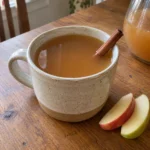
Homemade Apple Cider
- Total Time: 200 minutes
- Yield: 12 cups 1x
Description
A cozy nonalcoholic cider made from sweet and tart apples, orange, whole spices, and brown sugar. This beginner-friendly stovetop recipe needs no apple press and can be served warm or chilled.
Ingredients
10 medium apples, preferably a mix of sweet and tart varieties
1 medium orange, peeled and separated into sections
4 cinnamon sticks
2 teaspoons whole cloves
1 teaspoon whole allspice berries
12 cups water
1/3 cup packed light brown sugar, plus more to taste if needed
Instructions
1. Wash the apples, cut away damaged spots, quarter them, and remove the cores. Leave the skins on. Peel the orange and separate it into sections.
2. Place the apples, orange, cinnamon sticks, cloves, and allspice in an 8-quart stockpot. Add 12 cups water.
3. Bring to a gentle simmer over medium-high heat. Reduce the heat to low or medium-low, cover, and simmer for 2 hours.
4. Mash the softened fruit with a potato masher or sturdy wooden spoon.
5. Cover and gently simmer for 1 additional hour.
6. Strain the mixture through a fine-mesh strainer into a clean pot or heat-safe bowl, gently pressing the solids. Strain again through cheesecloth for a clearer drink, if desired.
7. Stir 1/3 cup brown sugar into the warm cider. Taste and add more, 1 tablespoon at a time, if needed.
8. Serve warm, or cool promptly and refrigerate before serving chilled.
Notes
A half-sweet, half-tart apple blend creates balanced flavor.
Peel the orange fully to avoid bitterness from the rind and white pith.
The yield varies depending on apple size, evaporation, and how firmly the fruit is pressed.
Refrigerate in an airtight container for up to 5 days or freeze for up to 3 months.
- Prep Time: 20 minutes
- Cook Time: 180 minutes
- Category: Drinks
- Method: Stovetop
- Cuisine: American
Nutrition
- Serving Size: 1 cup
- Calories: 105 kcal
- Sugar: 23g
- Sodium: 5mg
- Fat: 0g
- Saturated Fat: 0g
- Unsaturated Fat: 0g
- Trans Fat: 0g
- Carbohydrates: 27g
- Fiber: 2g
- Protein: 0g
- Cholesterol: 0mg
Print and Save This Homemade Apple Cider
Print or save Homemade Apple Cider for apple-picking weekends, holiday gatherings, or any cool day that calls for a warm drink.