I still remember the first time I tried making Japanese chicken meatball skewers (Tsukune) at home. I had this romantic idea that I’d recreate the cozy yakitori vibes from a tiny Tokyo bar… except I’d never actually been to Tokyo, and my grill was hiding somewhere behind two dying houseplants on the balcony.
But listen—one bite of those glossy, sticky, sweet-savory meatballs and I swear I did a little kitchen dance. You know the one. The “ohhhh this is GOOD” dance.
I fell completely in love with Tsukune that day… mostly because it’s the kind of recipe that sounds fancy but is actually ridiculously easy. Minimal ingredients, no special equipment, and the smell of the tare sauce simmering? Honestly, it feels like a hug from the universe.
So now I’m sharing my go-to version—the juicy one, the foolproof one, the “your friends will think you have a secret Japanese grandma teaching you recipes” one. Let’s make some magic.
Table of Contents
Table of Contents
What Are Japanese Chicken Meatball Skewers (Tsukune)?
Tsukune in Japanese Cuisine
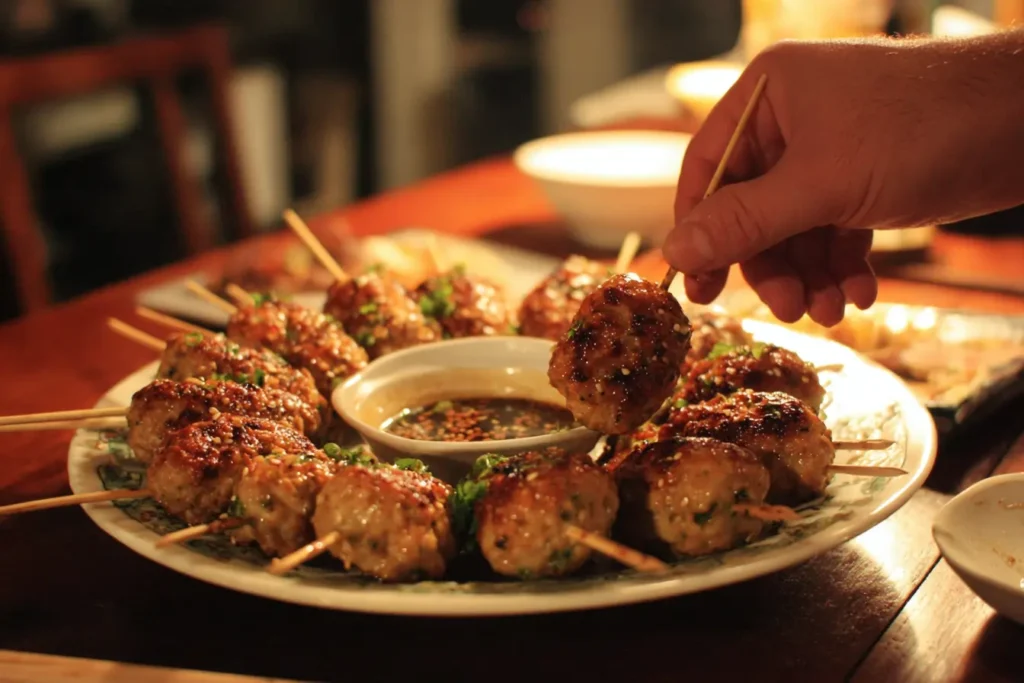
Tsukune are Japanese chicken meatball skewers, traditionally grilled over charcoal and glazed with a sweet-savory sauce called tare. They’re a classic on yakitori menus across Japan—served alongside skewered chicken thighs, wings, skin, and all kinds of izakaya favorites.
If you love cozy Japanese dishes like my Spicy Miso Braised Beef Ramen, tsukune fits right into that same comforting, warm, umami-packed vibe.
Traditionally, the meatball mixture is shaped around skewers, grilled, and basted repeatedly with tare until glossy, caramelized, and just slightly smoky.
Flavor Profile – Sweet, Savory, Smoky
Imagine a chicken meatball that’s:
- Sweet from mirin or sugar
- Savory from soy sauce
- Aromatic with ginger and garlic
- Smoky if grilled
- Sticky + glossy from the reduced tare glaze
It’s similar to teriyaki—but deeper, richer, and more “yakitori-style restaurant” in flavor. The outside becomes beautifully caramelized while the inside stays tender and juicy.
Why Home Cooks Love Tsukune
Tsukune has become a home-cooking favorite because:
- It’s made with simple ground chicken
- Requires no special tools
- Works with many cooking methods
- Comes together quickly
- Feels “restaurant fancy” without the work
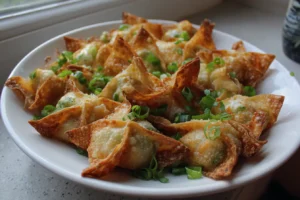
If you’re already a fan of fun, poppable appetizers—like my Asian Wonton Meatball Bites—then tsukune is about to become your next obsession.
It’s cozy, flexible, hard to mess up… and honestly, dangerously delicious.
Print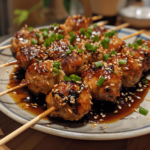
Japanese Chicken Meatball Skewers (Tsukune)
- Total Time: 30–35 minutes
- Yield: 8–10 skewers (4 servings) 1x
- Diet: Gluten Free
Description
These juicy Japanese chicken meatball skewers, known as tsukune, are glazed in a sweet-savory homemade tare sauce and cooked until glossy, golden, and irresistible. They’re easy, flexible (grill, pan, oven, or air fryer!), and perfect for a cozy lunch, meal prep, or a Japanese-style appetizer feast.
Ingredients
For the Meatballs
-
1 lb (450g) ground chicken (preferably thighs or thigh + breast mix)
-
1/4 cup grated onion
-
1 egg
-
1/3 cup panko breadcrumbs (or gluten-free panko)
-
1 tbsp soy sauce
-
1 tbsp sake (or chicken broth)
-
1 tsp grated ginger
-
1 clove garlic, grated
-
1/4 tsp salt
-
1/4 tsp black pepper
-
Wooden or metal skewers
For the Tare Glaze
-
1/4 cup soy sauce
-
1/4 cup mirin (or 1 tbsp honey + 1 tbsp rice vinegar)
-
2 tbsp sake (or water/chicken broth)
-
1 tbsp sugar or honey
Optional Garnishes
-
Sliced green onions
-
Sesame seeds
-
Shichimi togarashi
Instructions
1. Make the Meatball Mixture
-
In a mixing bowl, combine ground chicken, grated onion, egg, panko, soy sauce, sake, ginger, garlic, salt, and pepper.
-
Mix gently until sticky but not overworked.
-
Chill the mixture for 15–20 minutes to help it firm up.
2. Shape & Skewer
-
Wet your hands and shape small meatballs (about 1½ tablespoons each).
-
Thread 3–4 meatballs onto each skewer, leaving tiny gaps for even cooking.
3. Make the Tare Sauce
-
In a small saucepan, combine soy sauce, mirin, sake, and sugar.
-
Simmer for 3–5 minutes, until slightly thick and glossy.
4. Cook the Skewers (Choose Your Method)
Grill
-
Grill over medium-high heat for 8–10 minutes, brushing with tare during the last 3 minutes.
Pan-Fry
-
Sear skewers in lightly oiled pan over medium heat until golden.
-
Add tare sauce and simmer until thick and sticky.
Oven
-
Bake at 400°F (200°C) for 12–15 minutes, flipping halfway.
-
Brush with tare and broil 2–3 minutes.
Air Fryer
-
Air fry at 375°F (190°C) for 9–11 minutes, flip halfway.
-
Brush with tare and air fry 2 minutes more.
5. Serve
Top with green onions, sesame seeds, or a sprinkle of shichimi togarashi. Enjoy hot and glossy!
Notes
-
Juiciness Tip: Chicken thighs give the best texture.
-
Gluten-Free: Use GF panko + tamari instead of soy sauce.
-
Meal Prep: Cooked tsukune lasts 3–4 days refrigerated.
-
Freezer-Friendly: Freeze raw shaped meatballs on a tray, then bag them.
-
Doneness: Internal temperature should reach 165°F (74°C).
- Prep Time: 20 minutes
- Cook Time: 10–15 minutes
- Category: Lunch
- Method: Grill
- Cuisine: Japanese
Nutrition
- Serving Size: 1 skewer
- Calories: 110–130
- Sugar: 3–4 g
- Sodium: 280–350 mg
- Fat: 6–8 g
- Saturated Fat: 1.5–2 g
- Unsaturated Fat: 4–5 g
- Trans Fat: 0 g
- Carbohydrates: 5–7 g
- Fiber: 0–1 g
- Protein: 9–11 g
- Cholesterol: ~45 mg
Ingredients for Juicy, Tender Tsukune (With Easy Substitutions)
Making tsukune is beautifully simple, but choosing the right ingredients is what transforms your chicken meatballs from “pretty good” to juicy, glossy, restaurant-level amazing. Here’s exactly what you need — and what to use if you’re missing something.
Ground Chicken: Fat Ratio Matters (20–25% is the Sweet Spot)
For the softest, juiciest tsukune, choose ground chicken thighs or a blend of thigh + breast. Lean breast meat works too, but you’ll lose some tenderness — and tsukune deserves to be extra tender.
If you only have chicken breast:
Add 1–2 teaspoons of oil or a splash of milk to boost moisture.
Moisture Helpers & Binders (How to Keep Your Meatballs Soft)
These three ingredients prevent your meatballs from turning dense:
- Egg → binds without making the mixture tough
- Grated onion → adds moisture and creates that pillowy texture
- Panko breadcrumbs → light, airy structure that keeps tsukune soft
Substitutions:
- No panko → use regular breadcrumbs or crushed rice crackers
- No egg → use 1 tablespoon cornstarch or potato starch
Classic Japanese Seasonings (+ Easy Western Swaps)
To create that iconic sweet–savory–umami flavor, you’ll need:
- Soy sauce
- Mirin
- Sake
- Garlic
- Ginger
- Sugar or honey
No need to panic if your pantry is missing something — here are easy swaps:
| Missing | Use Instead |
|---|---|
| Mirin | 1 tsp honey + 1 tsp rice vinegar |
| Sake | Chicken broth or water |
| Soy sauce | Tamari or coconut aminos |
| Sugar | Honey, maple syrup, or brown sugar |
Your tsukune will still taste absolutely delicious.
Optional Add-ins & Garnishes
Not required, but highly recommended for extra flair:
- Finely chopped scallions
- A few drops of sesame oil
- Lemon zest
- Shichimi togarashi
- Sesame seeds
- Fresh herbs like cilantro or green onion
These little touches make your meatballs feel extra special.
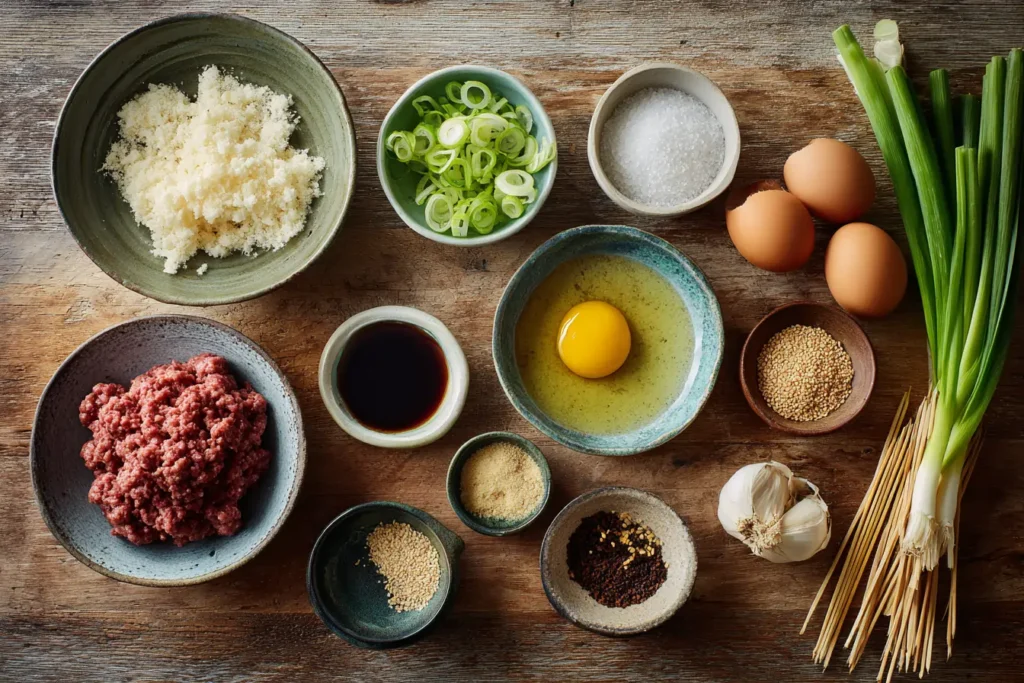
How to Make Japanese Chicken Meatball Skewers — Step by Step
This is where the magic happens. Tsukune comes together quickly, but a few small technique details make a big difference in texture, juiciness, and how well the meatballs stay on the skewer. Follow these simple steps and you’ll get glossy, tender, perfectly shaped skewers every time.
Step 1 — Mix the Chicken Mixture (Gently!)
Combine ground chicken, grated onion, panko, egg, soy sauce, ginger, garlic, and seasonings in a bowl.
Use your hands or a spatula, but don’t over-mix — the goal is a sticky mixture, not a paste.
What you’re looking for:
A mixture that holds together when pressed but still feels soft and moist.
Step 2 — Shape the Meatballs With Wet Hands
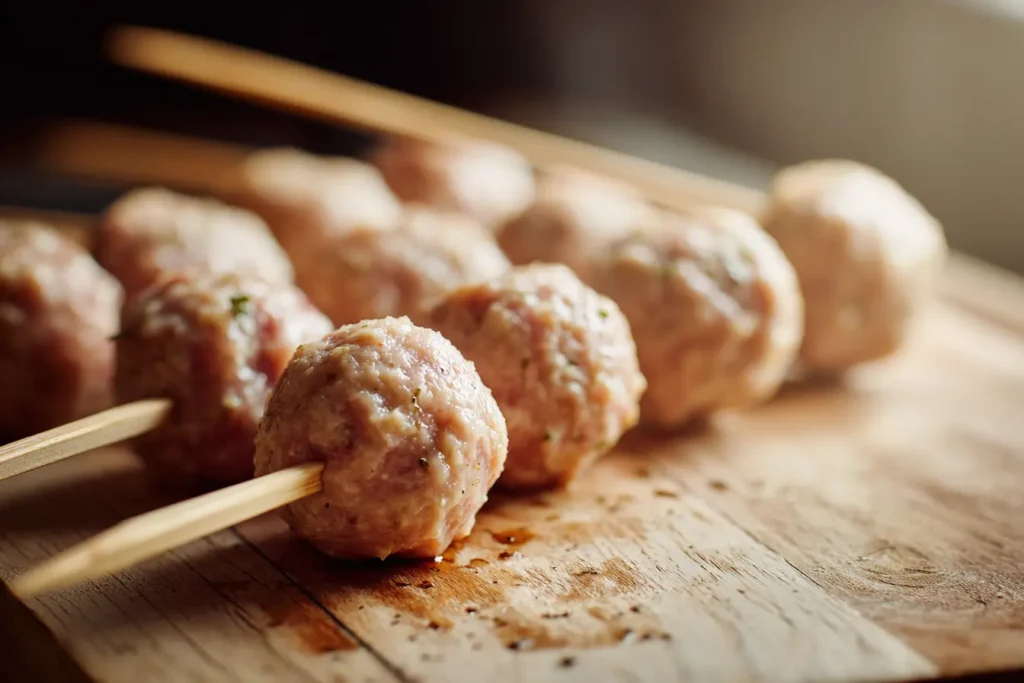
Wet your hands (this prevents sticking) and scoop the mixture into small balls or oval shapes.
Aim for 1 to 1.5 tablespoons per meatball — the size cooks evenly and holds heat well.
Pro tip:
Chill shaped meatballs for 15–20 minutes.
This helps them firm up and stay beautifully round during cooking.
Step 3 — Prepare Your Skewers
Using wooden skewers? Let them soak for about 20–30 minutes to keep them from burning.
Slide 3–4 meatballs onto each skewer, keeping a small gap between them so they brown evenly.
Don’t pack them too tight:
A little airflow helps the edges crisp and caramelize.
Step 4 — Cook Using Your Preferred Method
You can grill, pan-fry, bake, or air fry tsukune — all methods work great.
At this point, choose your heat source:
- Grill: smoky, authentic yakitori flavor
- Pan-fry: easiest for beginners
- Oven: hands-off and consistent
- Air fryer: crispy edges with minimal oil
(You’ll get the full method breakdown in the next section.)
Step 5 — Brush With Tare Sauce
During the last few minutes of cooking, brush generously with your tare sauce and let it caramelize.
Goal:
A glossy, sticky, deep brown glaze that clings perfectly to the meatballs.
Cooking Methods Compared — Grill, Pan, Oven & Air Fryer
Tsukune is flexible — you can cook it with whatever equipment you already have. Here’s the quick, practical guide.
Grill (Most Authentic)
- Medium-high heat
- 8–10 minutes total
- Brush with tare during the last 3 minutes
Result: smoky, lightly charred, classic yakitori flavor.
Pan-Fry (Easiest & Most Saucy)
- Medium heat with a little oil
- Sear all sides, then add tare
- Let it bubble until sticky
Result: deep caramelization, glossy glaze, beginner-friendly.
Oven-Bake (Hands-Off)
- 400°F (200°C)
- 12–15 minutes, flip halfway
- Broil + brush with tare at the end
Result: evenly cooked, juicy, great for batches.
Air Fryer (Fast & Crispy)
- 375°F (190°C)
- 9–11 minutes, flip halfway
- Brush with tare + 2 minutes more
Result: crisp edges, quick cooking, low oil.
Quick Comparison
| Method | Texture | Effort | Best For |
|---|---|---|---|
| Grill | Smoky + Charred | Medium | Authentic yakitori |
| Pan | Saucy + Caramelized | Easy | Weeknights |
| Oven | Even + Juicy | Very Easy | Meal prep |
| Air Fryer | Crispy + Fast | Easy | Low-oil option |
The Tare Sauce — Sticky Yakitori Glaze 101
If tsukune is the star, tare is the glamorous lipstick that makes it irresistible. This glossy, sweet-savory glaze is what gives Japanese skewers their signature shine — and it’s surprisingly simple to make at home.
What Goes Into Classic Tare
A traditional yakitori glaze is built from just a few pantry-friendly ingredients:
- Soy sauce (salty + umami base)
- Mirin (sweet acidity)
- Sake (depth + aroma)
- Sugar or honey (caramelization + gloss)
No need to hunt down anything fancy — these four alone create that “I can’t stop licking my fingers” finish.
How Thick Should Tare Be?
Simmer it until it becomes:
- glossy
- slightly syrupy
- thick enough to coat a spoon
If it runs off too fast, give it another minute.
If it gets too thick, a splash of water brings it back.
Flavor Variations You Can Try
Because you’re the chef of your kitchen:
- Spicy: chili flakes or a touch of sriracha
- Garlicky: grated garlic simmered in the sauce
- Sweeter: extra honey or brown sugar
- Smoky: a drop of smoked paprika
These tiny tweaks give you a whole new tsukune vibe without changing the base recipe.
Make-Ahead & Storage
Tare sauce actually gets better after a day.
- Keep it in a sealed jar in the fridge for up to a week
- Warm gently before brushing on skewers
- Use leftovers on rice bowls, salmon, chicken thighs, or veggies
One sauce, endless deliciousness.
Texture Tips: How to Keep Tsukune Juicy & Perfect

Chicken meatballs can be a little dramatic — too dry, too soft, too sticky… but with a few tiny tricks, your tsukune will stay juicy, bouncy, and beautifully shaped every single time.
Keep It Juicy
- Use ground chicken thighs or a mix of thigh + breast
- Add grated onion for moisture
- Don’t overmix — it makes the meat tough
- Brush with sauce at the end so it doesn’t burn or dry out
Keep It From Falling Apart
If your mixture feels too soft to hold a shape:
- Chill it for 15–20 minutes
- Add a little extra panko
- Wet your hands when shaping — smoother balls, better hold
- Don’t overload the skewers (3–4 meatballs max)
Get That Golden Color
- Medium heat is your friend
- Add the tare toward the end so it caramelizes instead of burning
- Flip gently — no smashing, no pressing
Check for Doneness
Your tsukune is ready when:
- The outside is golden and slightly sticky
- A small cut inside shows no pink
- Internal temp hits 165°F (74°C)
Small signs, big difference. 💛
Variations, Serving Ideas & Meal Prep
Tsukune is one of those magical recipes that can shape-shift into anything you need — party appetizer, rice bowl topping, meal-prep hero, or even a kid-friendly dinner. Here’s how to make it work for your kitchen.
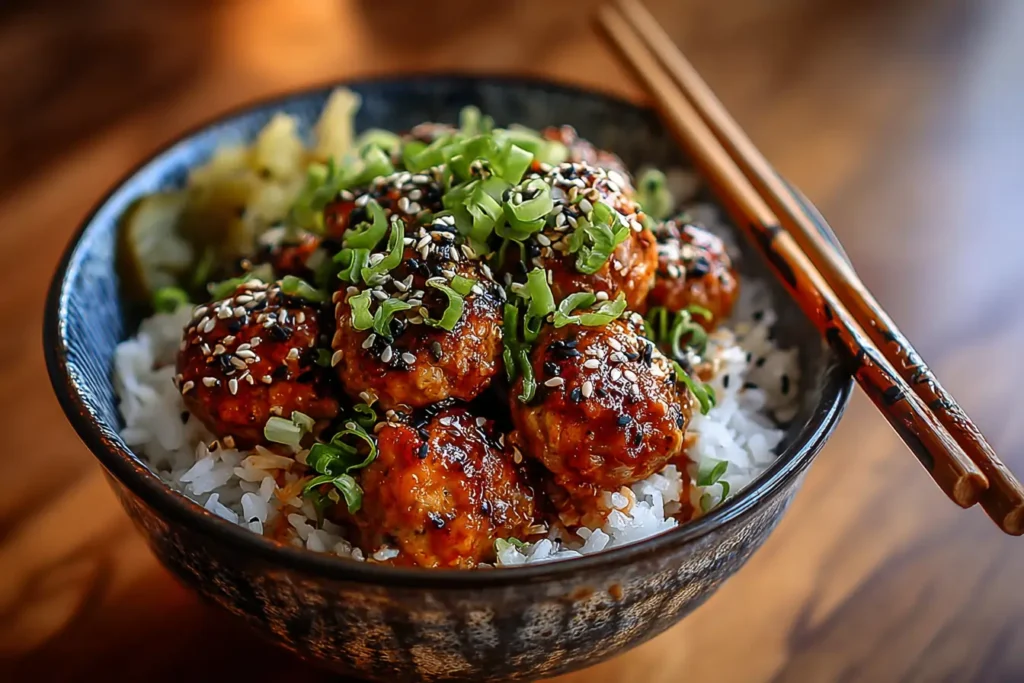
Flavor Variations
A few small tweaks = totally different personality.
• Spicy Tsukune
Stir some chili flakes, sriracha, or a pinch of shichimi togarashi into the meat or the sauce to give it a spicy kick.
• Garlic-Lover’s Tsukune
Grate 2–3 cloves of garlic right into the meat mixture for an extra bold kick.
• Paleo / Gluten-Free Version
Swap soy sauce for coconut aminos, and use gluten-free panko.
• Kid-Friendly Version
Reduce ginger + garlic, add a touch more honey for a softer, sweeter taste.
Serving Ideas
These skewers can turn into a whole mini Japanese-style feast:
- Over a bowl of steamed rice with scallions
- Inside a bento lunch box
- With quick-pickled cucumbers or shredded cabbage
- Alongside miso soup
- As a party platter with toothpicks and extra tare for dipping
They’re extremely social — tsukune loves being shared.
Meal Prep & Scaling
To Meal Prep:
- Cook a batch and refrigerate for up to 3 days
- Reheat in a pan or air fryer to keep the glaze sticky
To Freeze:
- Shape meatballs (raw) and freeze on a tray
- Once solid, transfer to a bag
- Cook from frozen by adding a few extra minutes
To Scale for Parties:
- 1 pound of chicken = about 8–10 skewers
- For a crowd: double or triple the recipe
- Keep finished skewers warm in a low oven (~200°F / 95°C)
Tsukune is honestly one of the easiest recipes to bulk-cook without losing quality.
Nutrition Details
Tsukune is naturally lighter than many meatball recipes — high in protein, lower in fat, and easy to customize based on your dietary needs. Here’s a simple snapshot of what one skewer typically contains.
Nutrition Table (Per Skewer — Approx.)
| Nutrient | Amount |
|---|---|
| Calories | 110–130 kcal |
| Protein | 9–11 g |
| Carbohydrates | 5–7 g |
| Sugars | 3–4 g |
| Fat | 6–8 g |
| Saturated Fat | 1.5–2 g |
| Unsaturated Fat | 4–5 g |
| Trans Fat | 0 g |
| Fiber | 0–1 g |
| Cholesterol | ~45 mg |
| Sodium | 280–350 mg |
Why Tsukune Is a Nutritious Option
One of the big perks of chicken skewers is that they offer high-quality protein without feeling heavy. According to data from the USDA FoodData Central, chicken thigh meat provides a naturally rich source of protein and healthy fats while staying lower in calories compared to many beef- or pork-based meatballs.
Tsukune is also easy to tailor to your health goals. If you’re watching sodium intake, swapping regular soy sauce for a low-sodium version significantly reduces salt levels. And for anyone eating gluten-free, you can simply switch to GF panko and tamari. Health-focused platforms like Healthline break down how different soy-based ingredients affect sodium and nutrient levels — super helpful if you love knowing exactly what’s in your food.
Overall, tsukune hits that perfect balance: flavorful, satisfying, and surprisingly wholesome.
FAQs About Japanese Chicken Meatball Skewers (Tsukune)
What is tsukune made of?
Tsukune is made from ground chicken (usually thighs), mixed with grated onion, egg, panko, soy sauce, ginger, garlic, and a few seasonings. The skewers are brushed with a sticky-sweet tare glaze as they cook.
Can I make tsukune without mirin or sake?
Yes! Just replace mirin with a mix of 1 tsp honey + 1 tsp rice vinegar.
If you don’t have sake, simply add a splash of water or chicken broth. You’ll still get a delicious glaze.
Can I use ground turkey instead of chicken?
Absolutely — just choose turkey with a bit of fat (93/7 or 85/15). Lean turkey (99%) tends to dry out and won’t have that classic bouncy tsukune texture.
How do I keep my chicken meatballs moist?
Use chicken thighs or a blend of thigh + breast, add grated onion for moisture, and avoid overmixing the meat. Cooking on medium heat and brushing glaze at the end also helps keep them juicy.
Can I cook tsukune without a grill?
Yes — pan-frying, oven-baking, and air frying all work beautifully. Pan-frying gives the deepest caramelization, while the air fryer gives crispy edges with very little oil.
Conclusion & Next Steps
And that’s it — you just mastered one of Japan’s most beloved izakaya bites right in your own kitchen. 🎉 Whether you grilled them for that smoky yakitori vibe or pan-fried them for extra sauciness, your tsukune should now be glossy, juicy, and proudly homemade.
The best part? Once you nail the base recipe, you can play forever — spicier, sweeter, crispier, meal-prepped, or party-ready. These little skewers adapt to you, not the other way around.
If you make them, tag me or drop a comment — I genuinely love seeing your food shine.
Now go enjoy your gorgeous tsukune, chef. 🍢💛
for more recipes follow me in Facebook, Pinterest and medium.