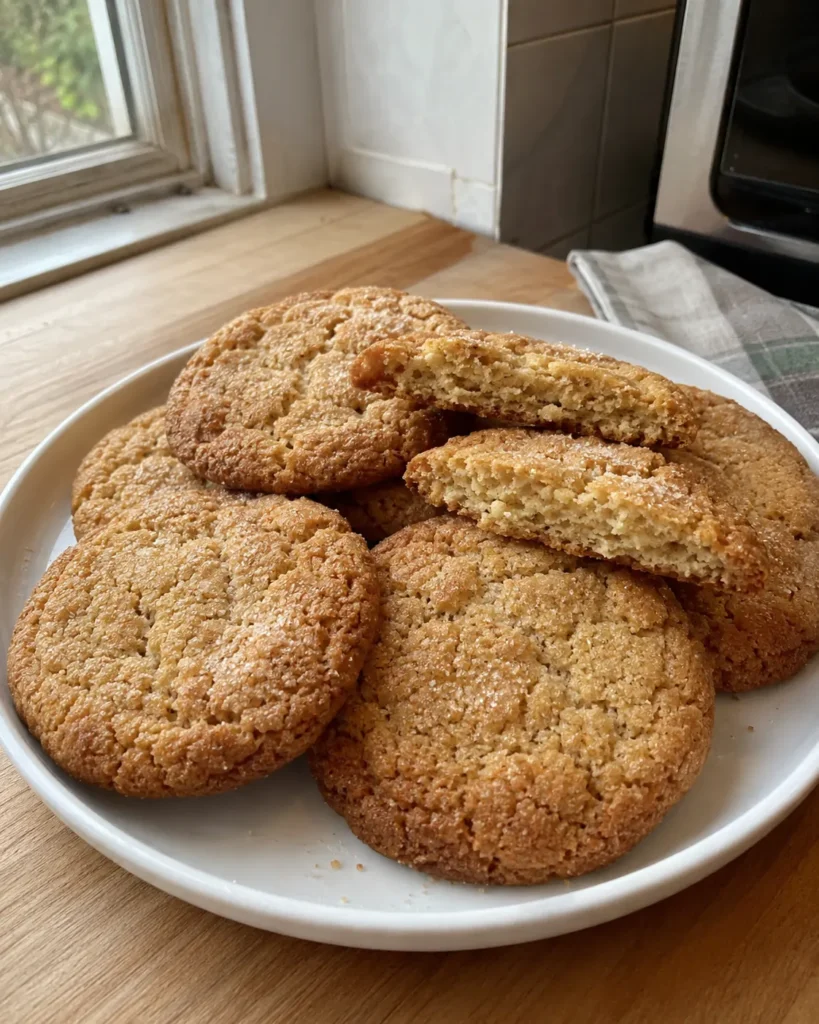
If you’ve been searching for a homemade cookie that’s naturally gluten-free but still tastes like a “real” cookie, these Almond Flour Cookies are about to become your new favorite. They’re chewy in the middle, lightly golden at the edges, and packed with a warm, nutty flavor that regular flour just can’t give you.
This recipe comes together in one bowl with simple pantry staples, so even if you’ve never baked with almond flour before, you’ll feel confident from the very first batch. Almond Flour Cookies are perfect for weeknight treats, lunchbox surprises, or a cozy afternoon baking project with the kids.
Save this one for busy days when you need something simple, cozy, and family-friendly.
Quick Recipe Snapshot
- Prep time: 15 minutes
- Cook time: 10–12 minutes
- Total time: about 25 minutes
- Servings: 16–18 cookies
- Difficulty level: Beginner-friendly
- Best for: Weeknight baking, gluten-free guests, lunchbox treats
- Main method: One-bowl, oven-baked
- Flavor profile: Nutty, buttery, lightly sweet
Table of Contents
Why You’ll Love This Almond Flour Cookies Recipe
- Naturally gluten-free — no special flour blends or substitutions needed.
- One bowl, one spoon — minimal cleanup, minimal stress.
- Beginner-proof — no mixer required, just a bowl and a spatula.
- Family-approved flavor — buttery and lightly sweet, not overly “healthy” tasting.
- Freezer-friendly dough — make now, bake fresh later.
- Save-worthy — this is the kind of recipe you’ll come back to again and again.
What Makes This Recipe Work
Almond flour behaves very differently than regular wheat flour. It has no gluten, so it can’t stretch the way traditional cookie dough does. That’s why this recipe leans on butter and a beaten egg for structure, plus baking soda for a gentle lift.
The result is a cookie that’s tender rather than crisp, with just enough chew to remind you of a classic homemade cookie. Because almond flour is naturally moist and slightly oily, these cookies also stay soft for days — a big win for make-ahead bakers.
Ingredients You’ll Need
- Blanched almond flour (2 cups) — the base of the recipe. Use fine, blanched almond flour, not almond meal, for the best texture.
- Unsalted butter, softened (1/2 cup) — adds richness and helps the cookies spread properly.
- Brown sugar (1/2 cup, packed) — brings moisture and a deep caramel-like sweetness.
- Granulated sugar (2 tablespoons) — for rolling the dough balls, giving a light sparkle and crunch.
- 1 large egg — binds the dough since almond flour has no gluten to hold it together.
- Vanilla extract (1 teaspoon) — rounds out the flavor.
- Almond extract (1/4 teaspoon, optional) — boosts the nutty flavor without overpowering it.
- Baking soda (1/2 teaspoon) — helps the cookies rise slightly and turn tender.
- Salt (1/4 teaspoon) — balances the sweetness.
Ingredient Notes and Easy Swaps
- Almond flour: Don’t swap in almond meal — it’s coarser and will make the cookies gritty and less cohesive.
- Butter: Coconut oil can work in a pinch, but the cookies will taste slightly different and may spread more.
- Brown sugar: Coconut sugar is a fine substitute, though the cookies will be a touch less soft.
- Egg: This recipe hasn’t been tested as egg-free, so substitutions aren’t guaranteed to work the same way.
- Almond extract: Skip it if you’re not a fan of a strong almond flavor — vanilla alone still tastes great.
How to Make Almond Flour Cookies
- Preheat your oven to 350°F and line a baking sheet with parchment paper.
- Cream the butter and sugars together in a large bowl until soft and well combined.
- Add the egg, vanilla, and almond extract, stirring until the mixture looks smooth and slightly glossy.
- Stir in the almond flour, baking soda, and salt until a soft, slightly sticky dough forms. It should hold together when pressed between your fingers.
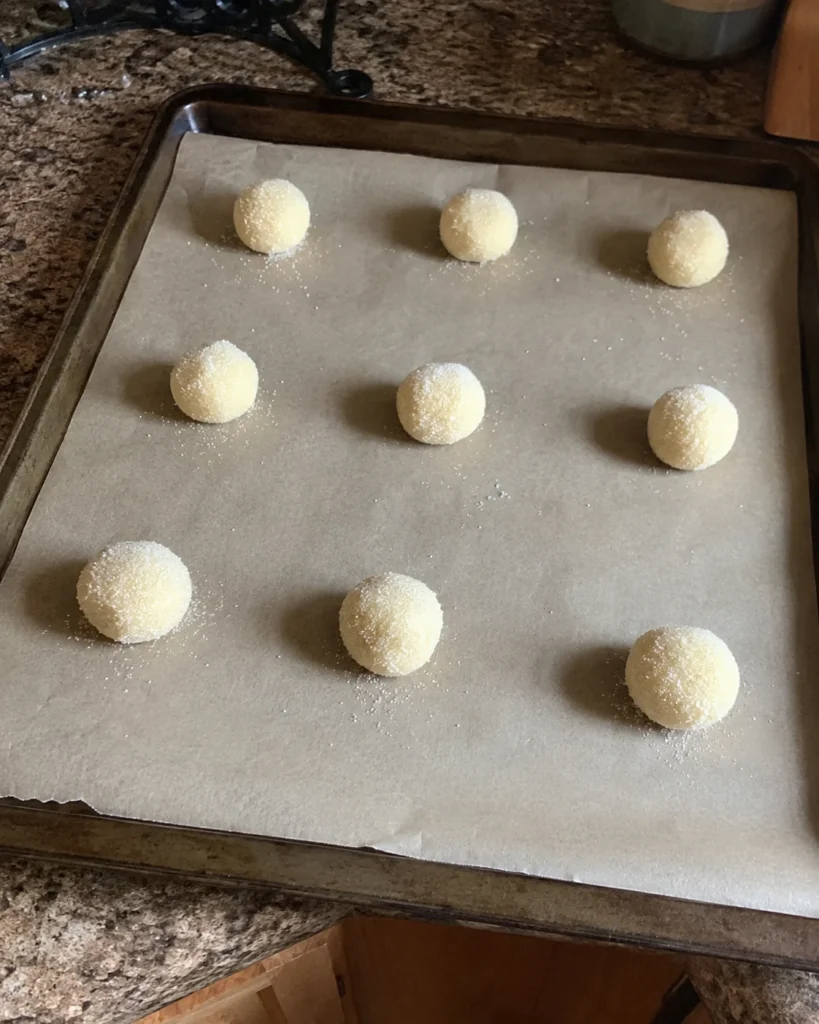
- Scoop tablespoon-sized portions of dough and roll into balls. Roll each ball in granulated sugar for a subtle sparkle.
- Place the dough balls about 2 inches apart on your prepared baking sheet.
- Bake for 10–12 minutes, until the edges are set and lightly golden and the tops look slightly cracked.
- Cool on the pan for 5 minutes, then transfer to a wire rack to finish cooling completely. The cookies will firm up as they cool.
Beginner Tips for Best Results
- Measure almond flour by spooning it into your measuring cup, then leveling — scooping directly packs it down and can dry out the dough.
- Let butter soften at room temperature rather than microwaving it, which can make the dough too greasy.
- Don’t overbake — almond flour cookies firm up significantly as they cool, so slightly underdone in the center is exactly right.
- If your dough feels too soft to roll, chill it for 10–15 minutes before shaping.
Common Mistakes to Avoid
- Using almond meal instead of almond flour: This makes cookies dense and grainy instead of tender.
- Skipping the parchment paper: Almond flour dough can stick more than regular cookie dough.
- Overbaking: These cookies go from soft to dry quickly, so pull them at the first sign of golden edges.
- Not letting cookies cool on the pan first: They’re fragile straight out of the oven and need a few minutes to set.
Easy Variations
- Chocolate chip version: Fold in 1/2 cup mini chocolate chips for a classic twist.
- Holiday version: Add red and green sprinkles before baking for a festive touch.
- Kid-friendly version: Roll the dough in colored sugar or press an M&M into the center.
- Lighter version: Reduce sugar slightly and skip the sugar-rolling step for a less sweet cookie.
What to Serve With Almond Flour Cookies
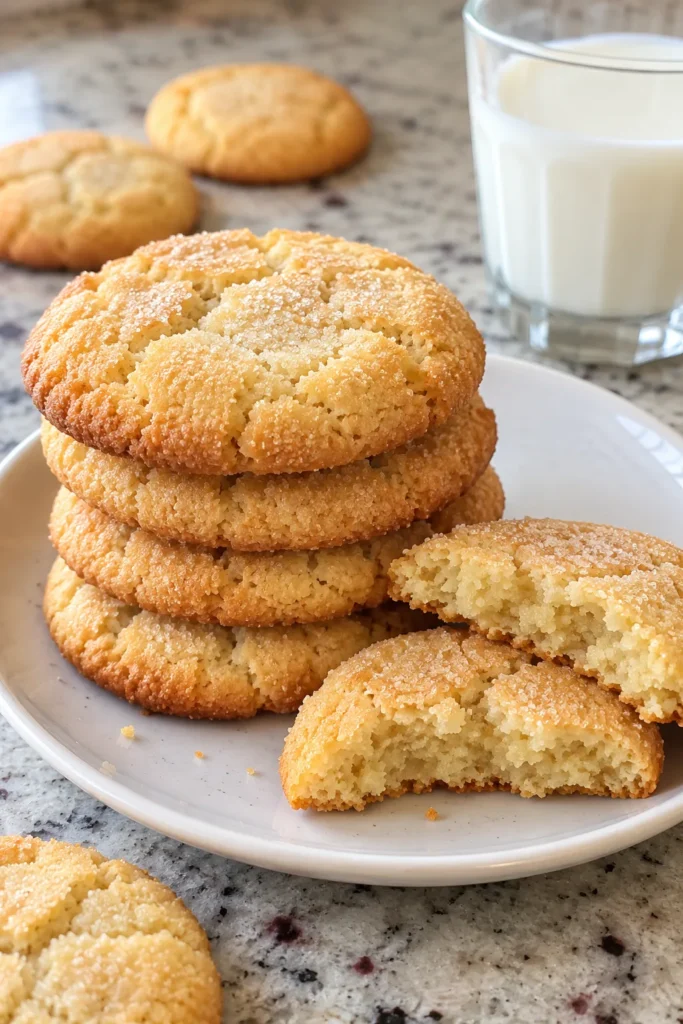
These cookies pair beautifully with a cup of coffee or a glass of milk for an afternoon treat. If you’re building out a cookie tray, try serving them alongside Salted Honey Pistachio Cookies or Lemon Blueberry Cookies for a variety of flavors and textures.
For a cozy breakfast pairing, they also go nicely alongside Raspberry Almond Croissant Baked Oats if you want to lean into that same nutty almond flavor.
Make-Ahead Tips
You can prepare the dough up to 2 days in advance and store it covered in the refrigerator. Let it sit at room temperature for about 10 minutes before scooping, since chilled almond flour dough firms up quite a bit.
How to Store Almond Flour Cookies
Store cooled Almond Flour Cookies in an airtight container at room temperature for up to 5 days. They’ll stay soft thanks to the brown sugar and butter in the dough.
Can You Freeze Almond Flour Cookies?
Yes! Almond Flour Cookies freeze very well. Place baked, fully cooled cookies in a freezer-safe bag or container, separating layers with parchment paper, and freeze for up to 3 months. You can also freeze the raw dough balls and bake them straight from frozen, adding an extra minute or two to the bake time.
How to Reheat
For that fresh-baked feel, warm cookies in the microwave for about 10 seconds, or in a 300°F oven for 3–4 minutes. This softens them back up if they’ve firmed up in storage.
Nutrition Notes
Almond flour is naturally higher in protein and healthy fats compared to regular flour, though these cookies still contain butter and sugar, so they’re a treat rather than a health food. Exact nutrition will vary depending on your specific ingredients and cookie size — for a general almond flour nutrition breakdown, the USDA FoodData Central database is a solid reference point.
Frequently Asked Questions
Can I use almond meal instead of almond flour?
It’s not recommended. Almond meal is coarser and includes the almond skins, which will make your Almond Flour Cookies denser and slightly gritty instead of tender.
Why are my almond flour cookies falling apart?
This usually happens if the dough is too dry or the almond flour was packed too tightly when measured. Try spooning the flour into your measuring cup instead of scooping directly.
Do almond flour cookies spread like regular cookies?
Not as much. Almond flour has no gluten, so these cookies hold their shape more than traditional cookies — flattening them slightly with your palm before baking can help.
Can I make almond flour cookies dairy-free?
Yes, softened coconut oil or a plant-based butter substitute can replace the butter, though texture may vary slightly.
How do I know when almond flour cookies are done baking?
Look for lightly golden, set edges and a slightly cracked top. The centers will still look soft — that’s normal, as they firm up while cooling.
Can I double this almond flour cookies recipe?
Absolutely. Simply double all ingredients and bake in batches, keeping an eye on bake time since oven capacity can affect airflow.
Final Thoughts
Almond Flour Cookies are proof that gluten-free baking doesn’t have to be complicated or bland. With a handful of simple ingredients and one bowl, you’ll have a batch of chewy, nutty cookies that everyone at the table will enjoy — gluten-free or not.
Print
Almond Flour Cookies
- Total Time: 26 minutes
- Yield: 16–18 cookies 1x
- Diet: Gluten Free
Description
Soft, chewy Almond Flour Cookies made in one bowl with simple pantry staples. Naturally gluten-free and ready in about 25 minutes.
Ingredients
2 cups blanched almond flour
1/2 cup unsalted butter, softened
1/2 cup packed brown sugar
2 tablespoons granulated sugar, for rolling
1 large egg
1 teaspoon vanilla extract
1/4 teaspoon almond extract, optional
1/2 teaspoon baking soda
1/4 teaspoon salt
Instructions
1. Preheat oven to 350°F and line a baking sheet with parchment paper.
2. Cream the butter and sugars together in a large bowl until soft and well combined.
3. Add the egg, vanilla, and almond extract, stirring until smooth and slightly glossy.
4. Stir in the almond flour, baking soda, and salt until a soft, slightly sticky dough forms.
5. Scoop tablespoon-sized portions of dough and roll into balls, then roll each ball in granulated sugar.
6. Place the dough balls about 2 inches apart on the prepared baking sheet.
7. Bake for 10 to 12 minutes, until the edges are set and lightly golden and the tops look slightly cracked.
8. Cool on the pan for 5 minutes, then transfer to a wire rack to finish cooling completely.
Notes
Store in an airtight container at room temperature for up to 5 days.
Freeze baked cookies or raw dough balls for up to 3 months.
Use fine, blanched almond flour, not almond meal, for the best texture.
Measure almond flour by spooning it into the measuring cup, then leveling, for the most accurate results.
- Prep Time: 15 minutes
- Cook Time: 11 minutes
- Category: Dessert / Cookies
- Method: Baking
- Cuisine: American
Nutrition
- Serving Size: 1 cookie
- Calories: 118 kcal
- Sugar: 6g
- Sodium: 62mg
- Fat: 9g
- Saturated Fat: 3.5g
- Unsaturated Fat: 4.8g
- Trans Fat: 0g
- Carbohydrates: 7g
- Fiber: 1.5g
- Protein: 3g
- Cholesterol: 19mg
Print and Save This Almond Flour Cookies
If this recipe fits your weeknight routine, print it or save it so you can come back to it the next time you need an easy homemade treat. Almond Flour Cookies are the kind of recipe worth keeping on hand for both everyday baking and last-minute gatherings.