The first time I tasted Peruvian green sauce, I completely forgot about the chicken. I was too busy dipping fries… then bread… then honestly whatever was closest to me at the table. It was creamy, spicy, bright, and comforting all at once — the kind of sauce that makes you pause mid-bite and think, okay, I need this in my life.
Of course, I went home and tried to recreate it. My first attempt? Let’s just say my blender and I had a small disagreement 😅. But after a few tweaks (and a lot of enthusiastic taste-testing), this sauce became a true favorite in my kitchen. It’s the one I make when dinner feels boring and needs a little spark.
This Aji Verde is now my secret weapon — easy, flexible, and full of flavor. And today, I’m sharing exactly how I make it, so it works beautifully in your kitchen too.
Table of Contents
Table of Contents
What Is Peruvian Green Sauce (Aji Verde)?
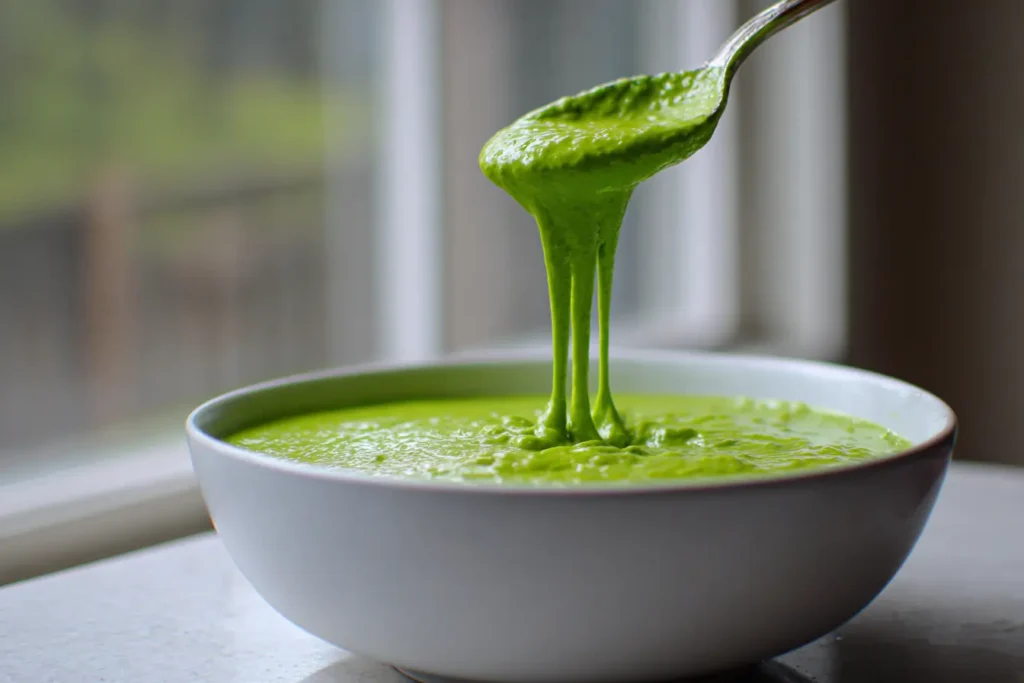
Peruvian green sauce—often called aji verde—is a creamy, bright, slightly spicy sauce traditionally served with Peruvian chicken. It’s made by blending cilantro, chili peppers, garlic, lime, and a creamy base like mayo (or yogurt for a lighter option). The result is smooth, fresh, and completely addictive.
It’s the kind of sauce that instantly upgrades chicken dishes (think General Tso’s Chicken) and turns simple sides like Sweet Potato Waffle Fries into something you keep dipping way past full.
Aji Verde vs “Peruvian Green Sauce”
Most restaurants say Peruvian green sauce, but what they’re usually serving is aji verde or a close variation. The name changes, but the foundation stays the same:
- Fresh cilantro
- Creamy base
- Bright acid (lime)
- A pepper for heat
Outside Peru, versions adapt to what’s available—and that’s completely normal.
What It Tastes Like
Peruvian green sauce is:
- Creamy like a dip
- Fresh from cilantro
- Zesty from lime
- Warmly spicy, not overwhelming
It’s bold but balanced, which is why it works on everything from chicken to fries to sandwiches.
Is It Authentic If I Use Jalapeños?
Yes.
While aji amarillo is traditional, it’s not always easy to find. Using jalapeño or serrano peppers is common in home kitchens and still delivers that classic flavor.
Quick Pepper Guide
| Pepper | Heat | Best For |
|---|---|---|
| Jalapeño | Mild–Medium | Family-friendly |
| Serrano | Medium | Restaurant-style balance |
| Aji Amarillo | Medium–Hot | Traditional versions |
The goal isn’t perfection—it’s flavor balance.
Why Restaurant Peruvian Green Sauce Tastes Better
Let’s be honest—restaurant Aji Verde just hits different. It’s creamier, smoother, and more balanced than most homemade versions. The good news? It’s not a secret ingredient. It’s how the flavors are built.
The Flavor Formula (Why It Works)
Restaurant-style Peruvian green sauce follows a simple balance:
- Fat → creaminess and richness
- Acid → brightness (usually lime)
- Heat → personality (from peppers)
- Herbs → freshness (cilantro)
When one of these is off, the sauce tastes flat, bitter, or overly spicy. When they’re balanced, the sauce tastes addictive.
Why Mayo Makes It So Creamy
Most restaurants use mayo because it:
- Creates a smooth, stable texture
- Softens the heat from peppers
- Helps flavors blend instead of separating
That’s why the sauce feels silky instead of watery—and why it clings so well to chicken, fries, or even sandwiches like a Chicken Torta Sandwich.
(If mayo isn’t your thing, don’t worry—we’ll cover swaps in the ingredients section.)
Blender Order Matters (More Than You Think)
This is where many home versions go wrong.
Best blending order:
- Mayo (or creamy base)
- Lime juice + garlic
- Peppers
- Cilantro last
Blending cilantro too early or too long can make the sauce taste grassy or bitter. Adding it last keeps the flavor fresh and clean.
The Biggest Mistake Home Cooks Make
They focus only on spice.
Restaurant sauce isn’t just spicy—it’s balanced. If your sauce feels “off,” it usually needs:
- A pinch more salt
- A squeeze more lime
- Or a bit more creaminess
Tiny adjustments make a huge difference.
Restaurant Sauce Balance (Quick Reference)
| Element | What It Does | If It’s Missing |
|---|---|---|
| Fat | Creamy texture | Sauce tastes sharp |
| Acid | Bright flavor | Sauce tastes flat |
| Heat | Warm kick | Sauce feels boring |
| Herbs | Freshness | Sauce feels heavy |
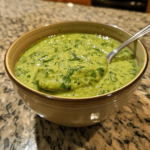
Peruvian Green Sauce (Aji Verde)
- Total Time: 5 minutes
- Yield: 1 cup 1x
Description
This Peruvian Green Sauce (Aji Verde) is creamy, bright, and just the right amount of spicy. Made in minutes with fresh cilantro, lime, garlic, and peppers, it’s the perfect restaurant-style sauce for chicken, fries, sandwiches, and bowls. Easy to customize, bold in flavor, and dangerously addictive.
Ingredients
-
1 cup fresh cilantro leaves (with tender stems only)
-
1 jalapeño or serrano pepper, seeded for mild heat
-
2 cloves garlic
-
½ cup mayonnaise (or Greek yogurt / vegan mayo)
-
2 tablespoons fresh lime juice
-
¼ teaspoon salt, or to taste
Instructions
-
Add the mayonnaise to a blender first.
-
Add garlic, lime juice, salt, and pepper.
-
Add cilantro on top (this keeps the flavor fresh).
-
Blend until smooth and creamy, scraping down the sides as needed.
-
Taste and adjust with more salt, lime, or creaminess if desired.
-
Serve immediately or chill briefly to let flavors settle.
Notes
-
For milder sauce, remove all pepper seeds and add extra mayo.
-
For spicier sauce, keep some seeds or use serrano peppers.
-
Avoid over-blending to prevent bitterness.
-
Sauce thickens slightly after chilling.
- Prep Time: 5 minutes
- Cook Time: 0 minutes
- Category: Lunch
- Method: Blender
- Cuisine: Peruvian
Nutrition
- Serving Size: 2 tablespoons
- Calories: 100
- Sugar: 0.5 g
- Sodium: 110 mg
- Fat: 10 g
- Saturated Fat: 1.5 g
- Unsaturated Fat: 8 g
- Trans Fat: 0 g
- Carbohydrates: 1 g
- Fiber: 0.3 g
- Protein: 0.5 g
- Cholesterol: 5 mg
Ingredients + Smart Substitutions (Aji Amarillo Friendly)
This Aji Verde is made with simple ingredients, and the best part is how flexible it is. You don’t need a specialty grocery store or a long shopping list—just a few fresh basics and the right balance.
Core Ingredients (What You Actually Need)
These are the essentials that give the sauce its signature flavor:
- Fresh cilantro – leaves and tender stems only
- Chili peppers – jalapeño, serrano, or aji amarillo
- Garlic – fresh cloves for best flavor
- Lime juice – adds brightness and balance
- Mayo – for that creamy, restaurant-style texture
- Salt – to bring everything together
That’s it. No complicated extras.
Aji Amarillo Substitution Guide (Best → Okay)
Aji amarillo is traditional, but it’s not always easy to find. The good news? You have great options.
| Pepper | Heat Level | Flavor Notes | Best Use |
|---|---|---|---|
| Aji Amarillo | Medium–Hot | Fruity, slightly sweet | Traditional flavor |
| Serrano | Medium | Clean, sharp heat | Closest restaurant-style |
| Jalapeño | Mild–Medium | Fresh, grassy | Family-friendly |
👉 If you’re making this for the first time, jalapeño or serrano are perfect and widely used in home kitchens.
Mayo Alternatives (If You Want to Switch It Up)
If mayo isn’t your thing, you still have options:
- Greek yogurt → lighter, slightly tangy
- Sour cream → richer, more indulgent
- Vegan mayo → dairy-free and still creamy
Each version works—you’re just choosing texture and richness, not changing the soul of the sauce.
Cilantro Tips (This One Matters)
Cilantro gives this sauce its fresh flavor, but how you use it makes a difference.
Do this:
- Use mostly leaves
- Include only thin, tender stems
Avoid this:
- Thick lower stems
- Over-packing the blender
This keeps the sauce fresh and vibrant instead of grassy.
Heat-Level Selector (Mild, Medium, Hot)
Peruvian green sauce isn’t meant to be painfully spicy. It’s meant to be balanced, and the good news is you can control the heat easily before you even start blending.
Choose Your Heat Level
| Heat Level | Pepper | Seeds | Best For |
|---|---|---|---|
| Mild | Jalapeño | Removed | Kids & sensitive eaters |
| Medium | Serrano or jalapeño mix | Partial | Restaurant-style |
| Hot | Aji amarillo or serrano | Yes | Spice lovers |
- Mild: Creamy, fresh, no burn
- Medium: Bold but balanced (most restaurants)
- Hot: Spicy, but still smooth and flavorful
Too Spicy? Quick Fix
If it’s hotter than expected, blend in more mayo or yogurt and a small squeeze of lime. Avoid adding water—it dulls the flavor.
How to Make Peruvian Green Sauce (5-Minute Blender Method)
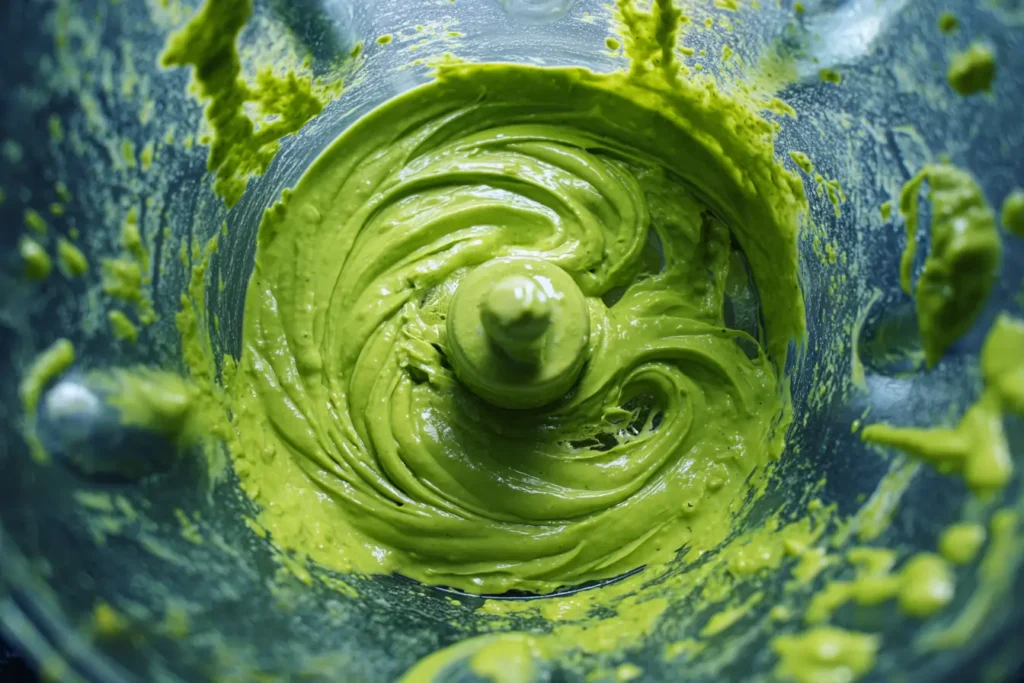
This sauce comes together fast. No cooking, no fancy tools—just a blender and a few minutes.
Step-by-Step Method
- Add the creamy base first
Start with mayo (or yogurt/vegan mayo) in the blender. This helps everything blend smoothly. - Add garlic, lime juice, and peppers
These build the flavor base and balance the richness. - Add cilantro last
Drop it in on top to keep the flavor fresh and avoid bitterness. - Blend until smooth
Blend just until creamy and vibrant green. Stop and scrape the sides if needed.
That’s it—you’re done.
Blender Tips for a Smooth, Creamy Sauce
- Start on low, then increase speed
- Scrape the sides once for even blending
- Don’t over-blend once the sauce is smooth
Taste & Adjust (Quick Check)
Before serving, do a fast taste test:
- Needs brightness? → add a little lime
- Needs depth? → add a pinch of salt
- Too thick? → blend in a spoon of yogurt or mayo
Small tweaks make a big difference.
Making a Bigger Batch
This sauce keeps well for several meals, so feel free to:
- Double the recipe
- Store it in a sealed jar
- Use it all week on chicken, fries, bowls, or sandwiches
What to Serve With Peruvian Green Sauce
Peruvian green sauce isn’t a one-meal sauce. It’s a flavor booster you’ll keep reaching for once it’s in your fridge.
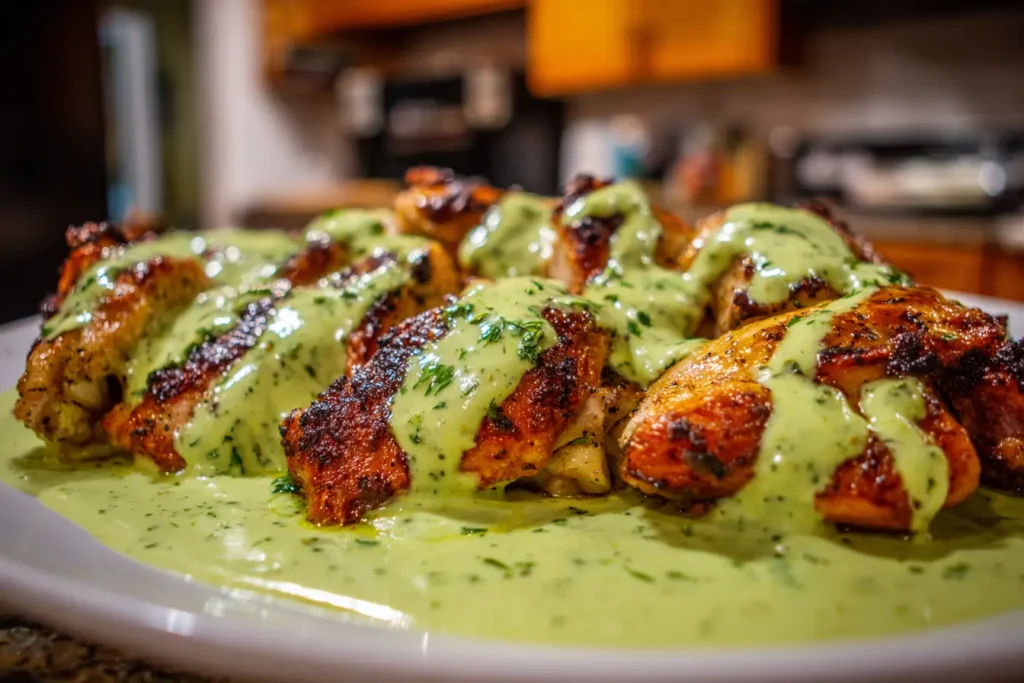
Chicken (The Classic)
This sauce was made for chicken. Spoon it over:
- Roast or grilled chicken
- Crispy chicken cutlets
- Weeknight baked chicken
Fries & Potatoes (Dangerously Good)
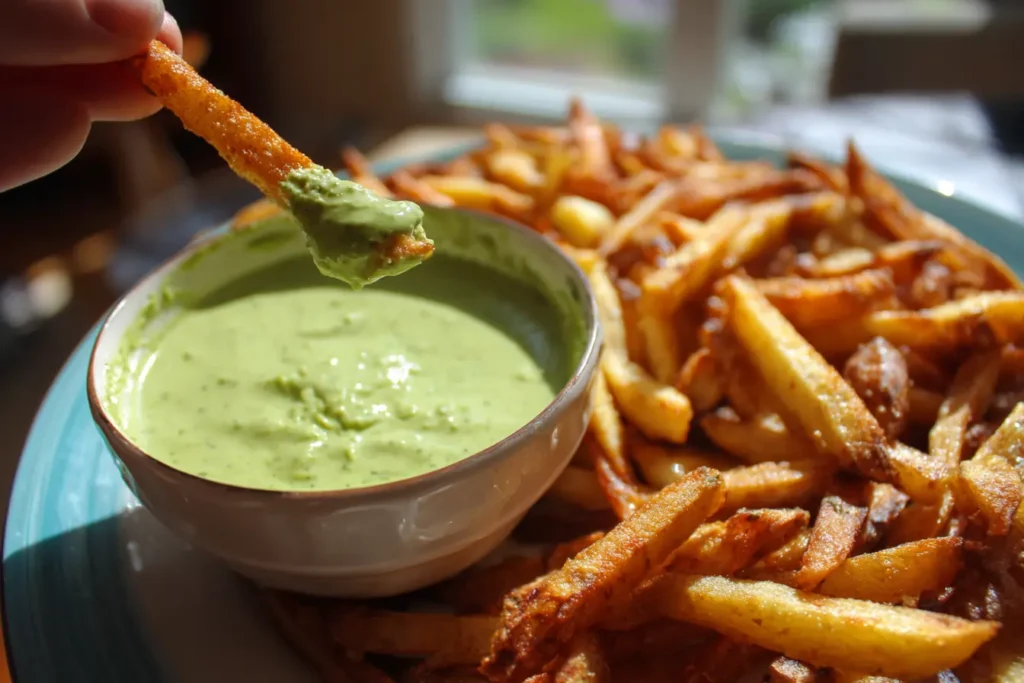
If there’s one warning I have, it’s this: don’t make this sauce near fries unless you’re ready to finish the whole batch.
Try it with:
- French fries
- Roasted potatoes
- Sweet potato fries
Sandwiches, Wraps & Bowls
Use Peruvian green sauce like a spread or drizzle:
- Chicken sandwiches and wraps
- Grain bowls
- Rice bowls with veggies
It’s especially good in sandwiches where you’d normally use mayo—it adds way more personality.
Veggies & Seafood (Underrated Pairings)
Don’t sleep on these:
- Roasted cauliflower or broccoli
- Grilled corn
- Shrimp or salmon
The sauce adds brightness and creaminess without overpowering lighter ingredients.
💡 Quick tip: Start with a spoonful and add more as needed. This sauce is bold, and a little goes a long way.
Nutrition Information & Dietary Notes
Peruvian green sauce is rich, flavorful, and satisfying—but it’s also easy to enjoy mindfully. Because it’s bold, a small amount goes a long way, which helps keep portions reasonable without sacrificing flavor.
Approximate Nutrition (Per 2 Tablespoons)
(Values vary depending on ingredients used)
| Nutrient | Approximate Amount |
|---|---|
| Calories | 90–120 kcal |
| Fat | 9–11 g |
| Carbohydrates | 1–2 g |
| Protein | 0–1 g |
| Sugar | <1 g |
Most of the calories come from the creamy base, which is also what makes the sauce feel satisfying and indulgent.
For general nutritional reference and ingredient data, values are based on standard ingredient profiles from trusted sources like U.S. Department of Agriculture and U.S. Food and Drug Administration.
Is Peruvian Green Sauce Healthy?
It can absolutely fit into a balanced way of eating.
Why it works:
- Made with fresh herbs and lime
- Very flavorful, so you naturally use less
- Easy to customize based on your preferences
When used as a drizzle or dip, it adds excitement to meals without needing heavy sauces elsewhere.
How to Make It Lighter (If You Want To)
If you’re aiming for a lighter version, simple swaps make a difference:
| Swap | What Changes |
|---|---|
| Greek yogurt | Lower fat, tangier flavor |
| Light mayo | Same texture, fewer calories |
| Extra lime juice | More brightness, less richness |
You still get a creamy sauce—just with a fresher, lighter feel.
Dietary Notes
Depending on how you prepare it, Peruvian green sauce can be:
- Vegetarian
- Gluten-free
- Keto-friendly
- Dairy-free (with vegan mayo)
It’s one of those rare sauces that works across many diets without losing its personality.
FAQ’s About Peruvian Green Sauce (Aji Verde)
What is Peruvian green sauce made of?
Peruvian green sauce is typically made with cilantro, chili peppers, garlic, lime juice, salt, and a creamy base like mayo or yogurt. The exact ingredients can vary slightly by restaurant or home cook.
Is Peruvian green sauce spicy?
It can be—but it doesn’t have to be. The heat depends entirely on the type of pepper and whether you keep the seeds. Most restaurant versions are medium, balanced with creaminess.
What pepper is used in Peruvian green sauce?
Traditionally, aji amarillo is used. In home kitchens, jalapeño or serrano peppers are very common and still deliver great flavor.
Is aji verde the same as Peruvian green sauce?
They’re closely related. Many restaurants use the name Peruvian green sauce for an aji verde–style sauce, especially outside Peru. The flavors and technique are very similar.
Can I make Peruvian green sauce without aji amarillo?
Yes. Jalapeño or serrano peppers are excellent substitutes and widely used. The sauce will still taste authentic and delicious.
Final Thoughts
If there’s one thing I hope you take away from this recipe, it’s this:
Peruvian green sauce is all about balance—not perfection.
Once you understand how the flavors work together, you can adjust it to fit your kitchen, your spice tolerance, and your meals. It’s creamy, fresh, a little spicy, and endlessly useful—the kind of sauce that makes cooking feel fun again.
Make it once, and I promise it won’t be the last time 💚
for more recipes follow me in Facebook, Pinterest and medium.