The first time I heard about Anglesey Eggs, I’ll be honest — I wasn’t impressed. Eggs? Potatoes? Leeks? My brain said “That sounds… beige.”
But curiosity won (it always does in my kitchen), so I gave it a try one quiet afternoon, apron on, music playing, leeks slowly softening in butter.
And then it happened.
That moment when the kitchen smells warm and cozy, the kind of smell that makes you hover near the stove with a spoon, just checking. Suddenly this very simple dish felt comforting, thoughtful, and quietly brilliant — like it had been waiting patiently for someone to really notice it.
Anglesey Eggs are exactly the kind of recipe I fall in love with: humble ingredients, no drama, and a result that feels like a little hug on a plate. If you enjoy cooking that’s relaxed, comforting, and deeply satisfying without being complicated, this one is going to feel right at home in your kitchen too.
What Are Anglesey Eggs?
Table of Contents
Table of Contents
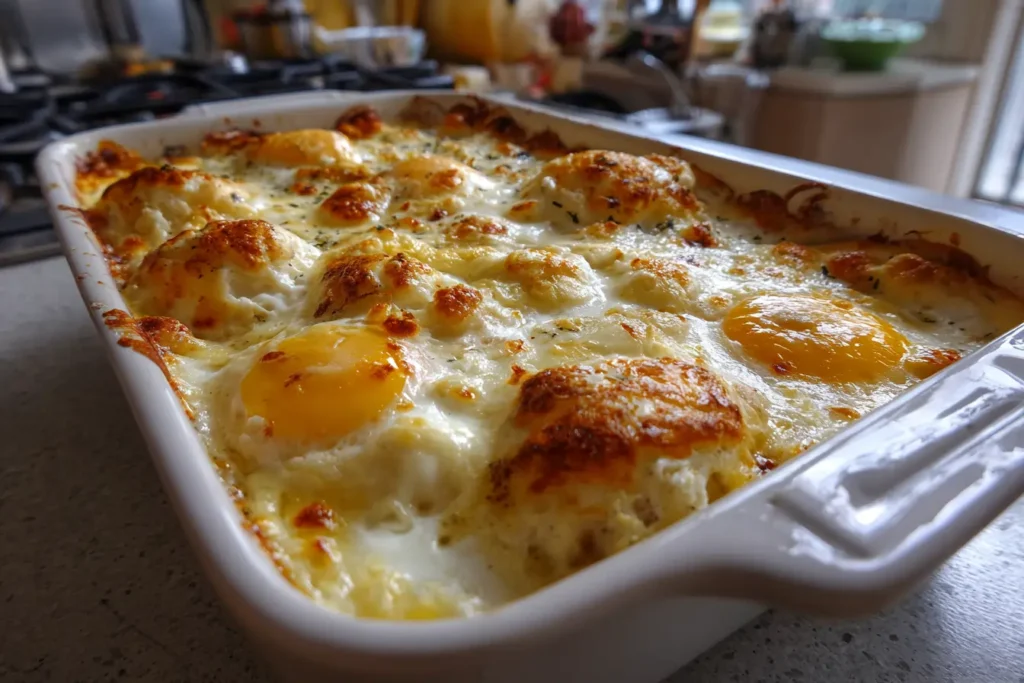
Anglesey Eggs are a traditional Welsh comfort dish made with boiled eggs, buttery leeks, and mashed potatoes, often finished with a light layer of cheese. Simple, cozy, and deeply satisfying, it’s the kind of recipe built for real home kitchens.
If you enjoy easy egg-based dishes that work just as well for dinner as they do for brunch — like my crustless quiche — this one will feel instantly familiar.
A Simple Definition (40-Word Rule)
Anglesey Eggs are a Welsh dish of boiled eggs layered with mashed potatoes and gently cooked leeks, warmed or baked until everything comes together. Think comforting, unfussy food that relies on good ingredients rather than complicated technique.
What Does “Wyau Ynys Môn” Mean?
You may also see this dish called Wyau Ynys Môn, which simply means “Eggs of Anglesey” in Welsh.
| Welsh Term | Meaning |
|---|---|
| Wyau | Eggs |
| Ynys Môn | Anglesey (Wales) |
That traditional name hints at how rooted this dish is in everyday Welsh cooking.
Why Anglesey Eggs Work So Well
What makes this dish special isn’t complexity — it’s balance. Each ingredient plays a clear role:
- Leeks add gentle sweetness
- Potatoes make it filling and cozy
- Eggs bring richness and protein
- Cheese (optional) adds a light, golden finish
Together, they create comfort food that’s simple, flexible, and surprisingly elegant.
Where Anglesey Eggs Come From (Quick Cultural Context)
Anglesey Eggs take their name from Anglesey, an island off the northwest coast of Wales where cooking has always been shaped by simplicity, seasonality, and practicality rather than fancy techniques.
This wasn’t food meant to impress — it was food meant to feed people well using what was readily available.
Why Leeks Are Central to Welsh Cooking
Leeks aren’t just another vegetable in Wales — they’re part of the country’s culinary identity. They grow well in the Welsh climate, store beautifully, and become naturally sweet when cooked slowly, which makes them perfect for everyday meals like this one.
In Anglesey Eggs, leeks:
- Add softness and gentle sweetness
- Balance the richness of eggs and potatoes
- Turn simple ingredients into something comforting and flavorful
Eggs and Potatoes as Everyday Staples
Eggs and potatoes were affordable, filling, and easy to cook — exactly what home cooks relied on. Combined with leeks, they created a dish that was:
- Nourishing
- Budget-friendly
- Easy to scale up for families
- Flexible enough to adapt over time
That’s why Anglesey Eggs have lasted. They weren’t trendy — they were useful, and delicious enough to keep making.
How the Dish Evolved Over Time
Originally, Anglesey Eggs were very straightforward. Over the years, home cooks began adding:
- A little cheese for richness
- Sometimes breadcrumbs for texture
- Baking the dish instead of just warming it
These small changes didn’t replace the traditional version — they simply gave it new life in modern kitchens.
Print
ANGLESEY EGGS
- Total Time: 50 minutes
- Yield: 4 servings 1x
- Diet: Vegetarian
Description
Anglesey Eggs are a traditional Welsh comfort dish made with boiled eggs, buttery leeks, and fluffy mashed potatoes, lightly finished with cheese for a cozy, satisfying meal that’s simple and timeless.
Ingredients
-
6 large eggs
-
2 large leeks, thinly sliced and well washed
-
2 lb (900 g) potatoes, peeled and cut into chunks
-
3 tbsp butter
-
1/2 cup milk (or as needed, for mash)
-
1/2 cup grated mild or medium cheddar cheese (optional)
-
Salt, to taste
-
Black pepper, to taste
Instructions
-
Boil the eggs
Place eggs in a saucepan, cover with water, and bring to a boil. Cook until just hard-boiled, then cool, peel, and slice. -
Prepare the potatoes
Cook potatoes in salted water until very tender. Drain well, then mash with butter and milk until fluffy. Season with salt and pepper. -
Cook the leeks
Melt butter in a pan over low heat. Add sliced leeks and cook gently until soft, pale, and sweet. Do not brown. -
Assemble the dish
Spread mashed potatoes in a baking dish. Spoon leeks evenly over the potatoes, then layer sliced eggs on top. -
Finish and bake
Sprinkle lightly with cheese if using. Bake at 375°F (190°C) for 20–25 minutes, until heated through and lightly golden on top.
Notes
-
Cheese is optional and not always used in traditional versions.
-
Leeks should be cooked slowly for best flavor.
-
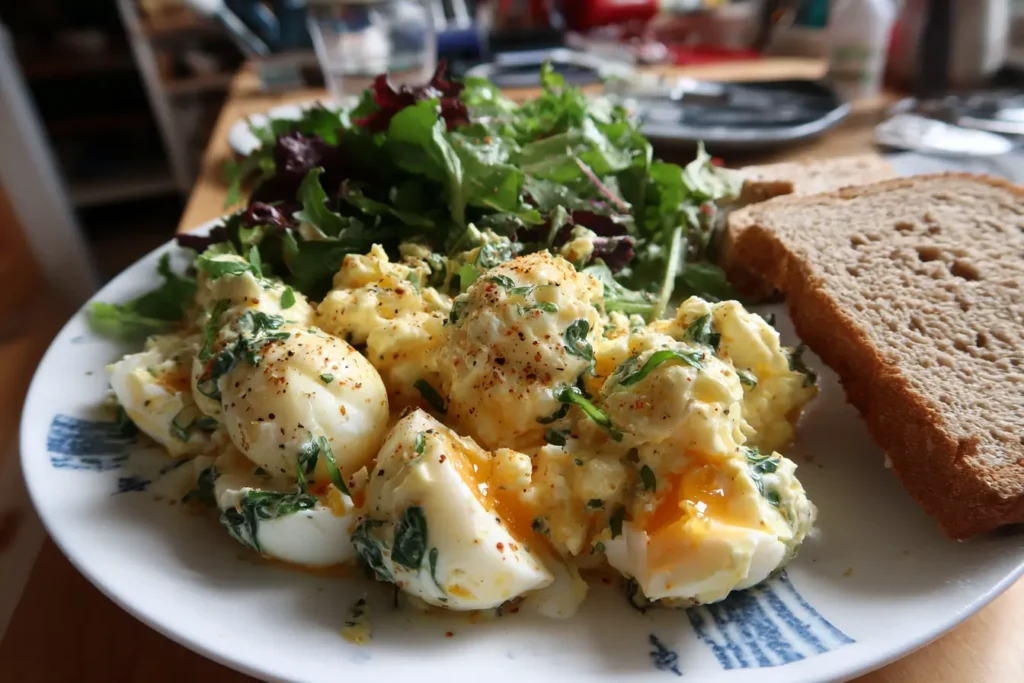
Serve warm with bread or a simple green salad.
- Prep Time: 20 minutes
- Cook Time: 30 minutes
- Category: Lunch
- Method: Baking
- Cuisine: Welsh
Nutrition
- Serving Size: 1 portion
- Calories: 390 kcal
- Sugar: 4 g
- Sodium: 420 mg
- Fat: 21 g
- Saturated Fat: 9 g
- Unsaturated Fat: 10 g
- Trans Fat: 0 g
- Carbohydrates: 34 g
- Fiber: 4 g
- Protein: 20 g
- Cholesterol: 290 mg
Ingredients for Authentic Anglesey Eggs (And Why Each One Matters)
One of the reasons Anglesey Eggs work so well is that every ingredient has a job. There’s nothing random here — just simple foods doing what they do best.
Before we get into the steps, it helps to understand why each ingredient matters, because this is where many recipes skip important details.
Eggs: How Firm They Should Be (And Why)
Eggs are the heart of this dish, but they shouldn’t be overcooked. You want them fully set but still tender, not chalky or dry.
Best results:
- Boil until just cooked through
- Yolks should be pale yellow, not grey
- Slice cleanly without crumbling
This keeps the eggs rich and pleasant once layered with the potatoes and leeks.
Leeks: The Flavor Backbone
Leeks are what turn Anglesey Eggs from “basic” into something special. When cooked gently, they become soft, sweet, and almost creamy.
Key tips for leeks:
- Slice them thinly and evenly
- Cook slowly over low heat
- Stop when they’re soft and lightly sweet, not browned
If you rush this step, the dish loses its signature comfort.
Potatoes: Structure and Comfort
Potatoes give Anglesey Eggs their cozy, filling base. The goal is fluffy, smooth mash, not stiff or gluey.
What works best:
- Use floury or all-purpose potatoes
- Mash while hot
- Season well before assembling
Well-made mash helps everything hold together without feeling heavy.
Cheese and Breadcrumbs: Traditional or Optional?
This is where recipes often differ — and both approaches can be correct.
| Ingredient | Role | Is It Traditional? |
|---|---|---|
| Cheese | Adds richness and a golden finish | Often added later |
| Breadcrumbs | Light texture on top | Optional |
If you prefer a more traditional feel, go light on toppings.
If you love a modern, baked version, a little cheese on top is lovely.
Ingredient Summary at a Glance
- Eggs: protein and richness
- Leeks: sweetness and depth
- Potatoes: comfort and structure
- Cheese (optional): golden finish
- Breadcrumbs (optional): light texture
Simple ingredients — thoughtfully used.
Traditional vs Modern Anglesey Eggs
If you’ve seen different Anglesey Eggs recipes, that’s because there are two common approaches — a classic version and a more modern baked one. Both are correct; they’re just made with slightly different intentions.
Traditional Welsh Version
The traditional style keeps things simple and light:
- Soft, slowly cooked leeks
- Fluffy mashed potatoes
- Boiled eggs layered gently
- Little or no cheese
This version focuses on comfort without heaviness and reflects everyday Welsh home cooking.
Modern Baked Version
Modern versions adapt the dish for today’s kitchens:
- Finished in the oven
- Light cheese topping
- Occasionally breadcrumbs
- Golden, cozy surface
It’s richer and especially popular for sharing or serving to guests.
Which One Should You Choose?
| Prefer… | Choose… |
|---|---|
| Lighter, classic feel | Traditional |
| Extra comfort and richness | Modern baked |
Both versions stay true to the heart of Anglesey Eggs — simple ingredients cooked with care.
How to Make Anglesey Eggs (Step-by-Step)
This is a gentle recipe — nothing rushed, nothing complicated. The key is taking a little care with each layer so everything tastes balanced in the end.
Step 1: Prepare the Potatoes
Peel and cook the potatoes until they’re completely tender, then mash while hot.
You’re aiming for:
- Soft, fluffy texture
- No lumps
- Well-seasoned but not heavy
The mash should be smooth enough to spread easily, not stiff or gluey.
Step 2: Cook the Leeks Properly
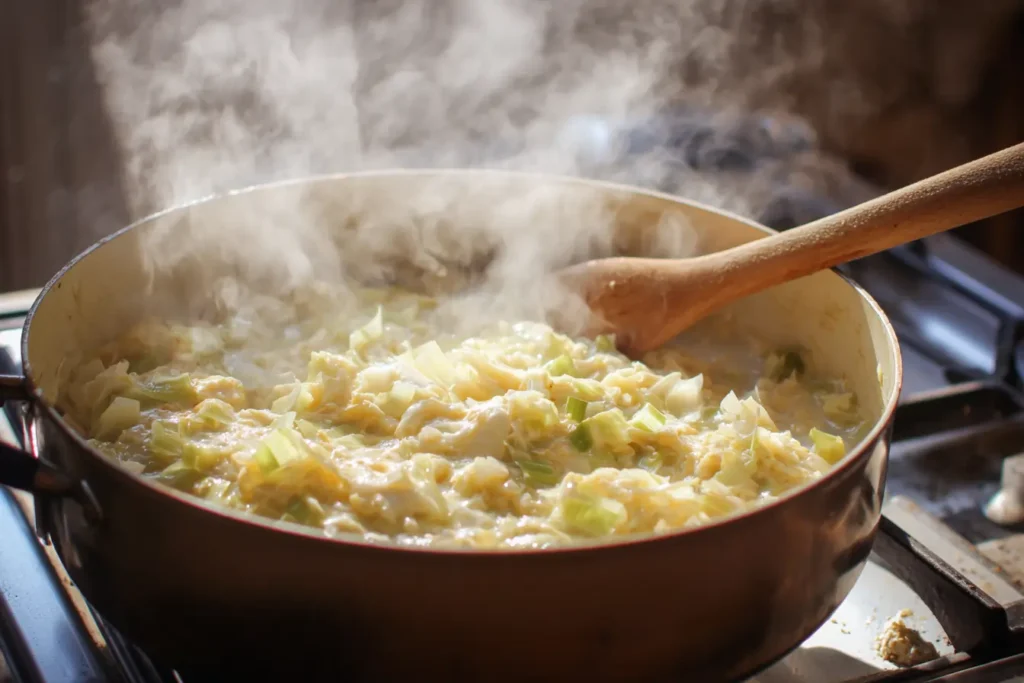
Slice the leeks thinly and cook them slowly over low heat with a little butter.
They’re ready when:
- Fully softened
- Pale and silky, not browned
- Smell gently sweet, not sharp
This step builds most of the flavor, so don’t rush it.
Step 3: Boil and Handle the Eggs
Boil the eggs until just cooked through, then cool, peel, and slice.
Best results:
- Firm whites
- Yolks fully set but still tender
- Clean slices without crumbling
Overcooked eggs can turn dry once layered, so timing matters.
Step 4: Assemble and Finish the Dish
Layer the ingredients in a baking dish:
- Mashed potatoes
- Cooked leeks
- Sliced eggs
Repeat if needed, then finish with a light sprinkle of cheese if using. Warm through or bake just until everything is heated and lightly golden on top.
It’s done when:
- Heated all the way through
- The top looks lightly golden
- The dish smells warm and comforting
Variations and Dietary Adaptations

Anglesey Eggs are naturally flexible, which makes them easy to adapt without losing what makes the dish special.
Are Anglesey Eggs Vegetarian?
Yes — most Anglesey Eggs recipes are vegetarian by default, made with eggs, leeks, potatoes, butter, and sometimes cheese. Just choose a vegetarian-friendly cheese if you’re using one.
Gluten-Free Anglesey Eggs
This dish is simple to keep gluten-free:
- Skip breadcrumbs entirely, or
- Use a gluten-free alternative if you like a topping
Everything else is naturally gluten-free.
Lighter or Creamier — Your Choice
- For a lighter version, use less cheese and keep the focus on the leeks.
- For a creamier version, add a bit more butter or a light cheese topping.
Both stay true to the spirit of Anglesey Eggs — it’s just about personal preference.
What to Serve With Anglesey Eggs
Anglesey Eggs are satisfying on their own, but a simple side can turn them into a complete, well-balanced meal. Because the dish is soft and comforting, the best pairings add a bit of contrast or freshness.
Bread and Savory Sides
A slice of good bread is perfect for scooping up the leeks and potatoes. Something crisp or lightly chewy works especially well, like my crispy focaccia served warm on the side.
Vegetables and Simple Salads
To balance the richness, add something fresh or green:
- A lightly dressed green salad
- Steamed or buttered vegetables
- Simple peas or greens
If you want a classic, smooth side, a small spoonful of pea purée fits beautifully with the flavors.
Turning It Into a Full Meal
Anglesey Eggs work well as:
- A relaxed brunch dish
- A cozy breakfast-for-dinner
- A light evening meal with bread and greens
It’s filling without being heavy — exactly what comfort food should be.
Nutrition Information (Per Serving)
Anglesey Eggs are made with simple, whole ingredients, which makes their nutrition easy to understand. While this dish is definitely comforting, it also offers a good balance of protein, carbohydrates, and fats — especially when enjoyed with vegetables on the side.
Approximate Nutrition (Per Serving)
| Nutrient | Amount (Approx.) |
|---|---|
| Calories | 350–420 kcal |
| Protein | 18–22 g |
| Carbohydrates | 30–35 g |
| Fat | 18–22 g |
| Saturated Fat | 8–10 g |
| Fiber | 4–5 g |
| Sodium | Moderate |
(Values will vary depending on cheese and butter used.)
Is Anglesey Eggs a Balanced Meal?
Anglesey Eggs provide:
- Protein from eggs
- Carbohydrates from potatoes
- Fats from butter and cheese
- Fiber and micronutrients from leeks
On their own, they make a satisfying meal. Paired with a green salad or vegetables, they become even more balanced.
Simple Ways to Lighten It Up
If you want a slightly lighter version:
- Use less cheese or skip it entirely
- Keep butter modest in the mash
- Focus on generous leeks for flavor
You still get comfort — just with a lighter feel.
Anglesey Eggs FAQ’s
What Are Anglesey Eggs Made Of?
Anglesey Eggs are made with boiled eggs, leeks, and mashed potatoes, often finished with a small amount of cheese. Some modern versions also include breadcrumbs, but they’re optional.
Are Anglesey Eggs Welsh?
Yes. Anglesey Eggs are a traditional Welsh dish, named after the island of Anglesey in Wales, where simple, hearty cooking has long been part of everyday life.
What Does “Wyau Ynys Môn” Mean?
Wyau Ynys Môn is Welsh for “Eggs of Anglesey.” It’s the traditional name for the dish and reflects its roots in Welsh home cooking.
What Cheese Is Best for Anglesey Eggs?
If using cheese, a mild to medium cheddar works best. It melts well without overpowering the leeks and eggs. Traditional versions often use little or no cheese.
Are Breadcrumbs Traditional?
Breadcrumbs are not essential. They appear mostly in modern baked versions to add a light texture on top, but many traditional recipes leave them out entirely.
Final Thoughts: Why Anglesey Eggs Are Worth Making
Anglesey Eggs are a reminder that good cooking doesn’t need to be complicated. With just a few everyday ingredients and a little care, you get something that feels comforting, thoughtful, and deeply satisfying.
This is the kind of dish that fits real life — quiet evenings, relaxed weekends, or those moments when you want food that feels steady and familiar without being boring. Whether you lean traditional or add a modern touch, Anglesey Eggs always reward you with warmth and simplicity.
If you enjoy recipes that let simple ingredients shine and make your kitchen feel like a calm, happy place, this one truly belongs in your collection.
And once you’ve made it once, don’t be surprised if it quietly becomes a favorite — the kind of recipe you come back to without thinking twice.
for more recipes follow me in Facebook, Pinterest and medium.