I made this 2-ingredient cottage cheese flatbread on one of those days when I really wanted bread… but also didn’t feel like turning my kitchen into a full-on baking project. You know the mood — comfy clothes, messy counter, and zero patience for complicated recipes. I spotted cottage cheese in the fridge, laughed a little, and thought, “Alright, let’s see what you can actually do.”
A few blends, a quick spread, and one slightly suspicious oven peek later… I was hooked. It wasn’t fancy. It wasn’t trying to be naan. But it was warm, flexible, and perfect for wrapping whatever I had on hand — which, honestly, felt like a small kitchen victory. And those are my favorite kind.
Table of Contents
Table of Contents
What This “Flatbread” Really Is (And Isn’t)
Is It Actually Bread-Like?
Let’s be honest (because I love you and I refuse to lie to your face): this 2-ingredient cottage cheese flatbread is not traditional bread. It’s not pita, it’s not naan, and it’s definitely not a fluffy sandwich bun.
What it is, though, is a high-protein flatbread-style wrap made with cottage cheese that’s soft, flexible, and sturdy enough to hold fillings — as long as you treat it like a wrap and not a loaf.
If you’ve tried other cottage cheese bakes on this site, like my spinach cottage cheese flat bagels, think of this as their simpler, flatter, quicker cousin.
What It Tastes Like (And How to Keep It Neutral)
Plain cottage cheese flatbread has a mild, slightly tangy flavor — nothing overpowering, but also not invisible. The good news? It’s incredibly easy to make the flavor feel more neutral and “bread-like.”
Simple ways to improve the flavor:
- Add a pinch of salt (this is non-negotiable)
- Use savory seasonings like garlic powder or Italian seasoning
- Pair it with bold fillings (protein + sauce = magic)
Once it’s wrapped around something flavorful, your brain stops saying “this is cottage cheese” and starts saying “okay… this is actually good.”
Who This 2-Ingredient Cottage Cheese Flatbread Is Perfect For
This recipe is a great fit if you’re looking for:
- A 2-ingredient cottage cheese flatbread that’s quick and low-effort
- A high-protein flatbread alternative to regular bread
- A naturally gluten-free flatbread (depending on your second ingredient)
- A flexible base for wraps, pizza-style toppings, or snacks
It’s especially handy if you already enjoy cottage cheese in baking — like my cottage cheese banana bread — but want something savory and faster.
Quick Decision Guide: Is This the Right Recipe for You?
| If you want… | This flatbread works well |
|---|---|
| Soft, flexible wraps | ✅ Yes |
| A quick pizza-style base | ✅ Yes |
| A high-protein bread alternative | ✅ Yes |
| Fluffy sandwich bread | ❌ No |
| Bakery-style texture | ❌ No |
Make This Flatbread If You Want…
- Wraps: foldable, sturdy, lunch-friendly
- Flatbread pizza: a quick base for toppings
- Protein snacks: sliced into strips for dipping
If you’re open to what it is — instead of what it’s not — this 2-ingredient cottage cheese flatbread recipe can easily become one of those simple kitchen staples you keep coming back to.
Print
2-Ingredient Cottage Cheese Flatbread
- Total Time: 30 minutes
- Yield: 1 large flatbread (or 2 small wraps) 1x
- Diet: Gluten Free
Description
This 2-ingredient cottage cheese flatbread is a simple, high-protein alternative to traditional bread. Soft, flexible, and easy to make, it works perfectly as a wrap, light flatbread base, or quick meal option when you want something satisfying without complicated ingredients.
Ingredients
-
1 cup cottage cheese (full-fat or 2%, thick and creamy)
-
1 large egg
Instructions
-
Preheat your oven to 375°F (190°C).
-
Add the cottage cheese and egg to a blender or food processor. Blend until completely smooth with no visible curds.
-
Line a baking sheet with parchment paper or a silicone baking mat.
-
Pour the mixture onto the prepared pan and spread it into a thin, even oval or circle.
-
Bake for 20–25 minutes, until the surface looks set and the edges are lightly golden.
-
Remove from the oven and let cool for a few minutes before gently peeling from the parchment.
-
Use immediately as a wrap or base, or let cool slightly before adding toppings.
Notes
-
Blending is key for a smooth, flexible texture.
-
Spreading the batter thinly helps prevent a rubbery center.
-
This flatbread is best used as a wrap-style flatbread, not a thick bread substitute.
-
Seasonings can be added after blending if desired (garlic powder, salt, or herbs).
- Prep Time: 5 minutes
- Cook Time: 20–25 minutes
- Category: Breakfast
- Method: Baking
- Cuisine: American
Nutrition
- Serving Size: 1 flatbread
- Calories: 140 kcal
- Sugar: 2 g
- Sodium: 380 mg
- Fat: 7 g
- Saturated Fat: 3 g
- Unsaturated Fat: 4 g
- Trans Fat: 0 g
- Carbohydrates: 4 g
- Fiber: 0 g
- Protein: 14 g
- Cholesterol: 95 mg
The 2 Ingredients + Best Brands (Small Details Matter)
When a recipe has only two ingredients, each one really matters. This 2-ingredient cottage cheese flatbread works beautifully — but only if your cottage cheese isn’t fighting against you.
Cottage Cheese
Cottage cheese provides the protein, structure, and moisture for this flatbread, which means too much liquid can affect the texture.
For best results, choose:
- Full-fat or 2% cottage cheese
- Small-curd varieties
- Thick, creamy cottage cheese with minimal liquid
Very watery or ultra–low-fat cottage cheese tends to bake up rubbery or soft in the center.
Egg (Why It Works Best)
Most versions of 2-ingredient cottage cheese flatbread use an egg, and it’s the most reliable choice. The egg helps bind everything together and keeps the flatbread flexible enough for wraps.
You can experiment with egg whites or other binders later, but starting with a whole egg gives the most consistent result.
What to Avoid
Skip these if you want success:
- Sweetened cottage cheese
- Very watery brands
- Chunky cottage cheese that isn’t blended smooth
With the right cottage cheese and one egg, this cottage cheese flatbread recipe stays simple, reliable, and easy to repeat.
Why This Flatbread Works (Simple Science, No Nerd Talk)
This 2-ingredient cottage cheese flatbread isn’t magic — it just works because the ingredients behave well together when you treat them right. Once you understand why, everything makes a lot more sense.
How Protein Helps It Set
Cottage cheese is naturally high in protein. When it heats up in the oven, that protein firms and sets, similar to how eggs cook. That’s what gives this flatbread its structure and makes it sturdy enough to hold fillings.
No yeast. No rising. Just protein doing its job.
Moisture Control Is the Make-or-Break Factor
Cottage cheese contains a lot of water. If too much moisture stays trapped, the flatbread can turn soft or rubbery instead of flexible.
That’s why:
- Blending helps distribute moisture evenly
- Spreading the batter thinly matters more than baking time
- Baking until the surface looks set is key
Think of it as drying and setting, not “baking bread.”
Thickness Is More Important Than Time
This recipe doesn’t rely on exact minutes. A thicker flatbread needs more time to let moisture escape, while a thin one sets quickly.
Good rule of thumb:
- Thin and even = flexible wrap
- Thick and uneven = soft center
Your eyes will tell you more than the clock ever will.
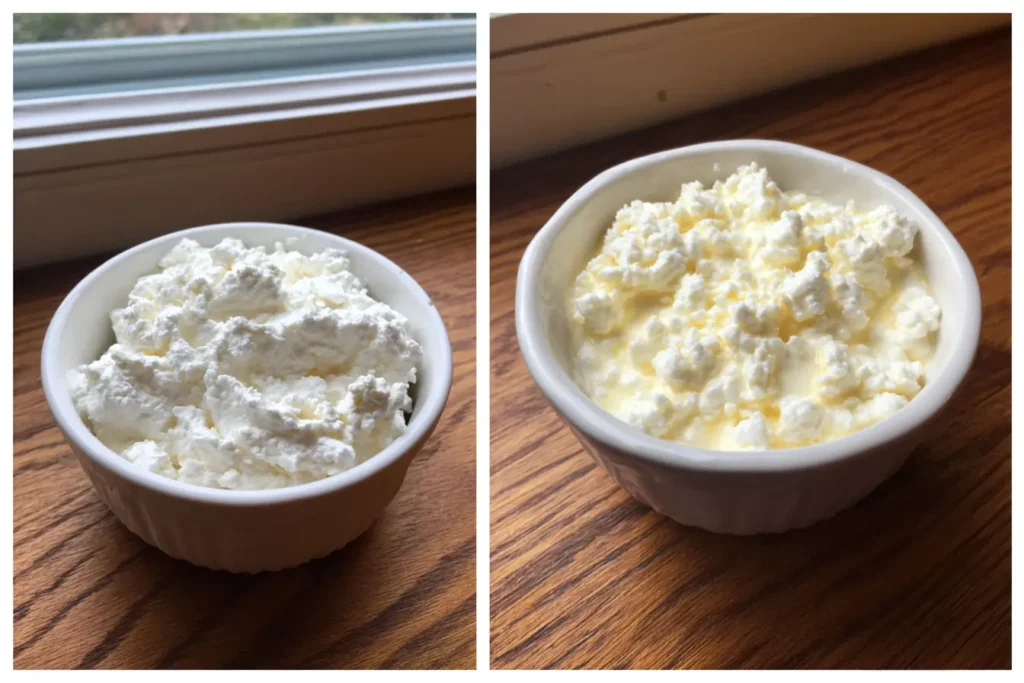
Blended vs Unblended Cottage Cheese
Both can work, but they give different results:
- Blended cottage cheese: smoother, more even texture
- Unblended cottage cheese: slightly bumpier, more rustic feel
If it’s your first time making this cottage cheese flatbread, blending is the easiest and most reliable option.
The Best Base Recipe: Step-by-Step Oven Method
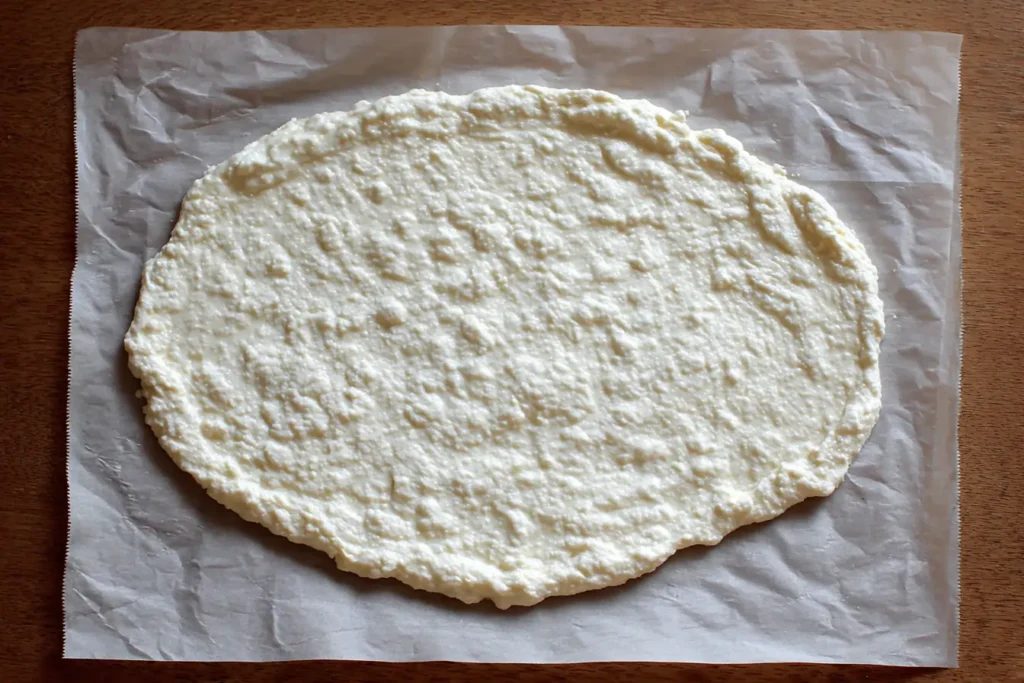
This is my go-to method for 2-ingredient cottage cheese flatbread because it gives the most consistent results: flexible, sturdy, and perfect for wraps. No guesswork — just simple cues to watch for.
Tools You’ll Need
- Blender or food processor
- Mixing bowl (optional, if blending separately)
- Sheet pan
- Parchment paper or a silicone baking mat
- Spatula
Keeping things simple here helps the flatbread bake evenly.
Step-by-Step Instructions
- Blend the mixture
Add the cottage cheese and egg to a blender or food processor. Blend until completely smooth, with no visible curds. The texture should look like a thick batter. - Prepare the pan
Line a sheet pan with parchment paper or a silicone mat. Lightly spread the batter into a thin, even oval or circle. Aim for an even layer — this matters more than shape. - Bake
Bake in a preheated oven until the flatbread looks set on top and lightly golden around the edges. Avoid overbaking; you want it cooked but still flexible. - Cool briefly
Let the flatbread cool for a few minutes on the pan. This short rest helps it firm up and makes peeling easier.
Visual Doneness Cues (Don’t Skip This)
Instead of relying only on time, look for these signs:
- The surface looks dry and set
- The center does not jiggle when you gently shake the pan
- The edges lift easily from the parchment
If it passes these tests, it’s ready.
Cooling & Peeling Tips
- Let it cool just long enough to firm up
- Gently peel from one edge, using a spatula if needed
- Don’t rush — peeling too early can cause tearing
Once cooled slightly, this cottage cheese flatbread recipe gives you a soft, flexible base that’s ready for wraps, toppings, or snacks.
Method Showdown: Oven vs Pan vs Air Fryer
This 2-ingredient cottage cheese flatbread can be cooked in more than one way. Each method changes the texture slightly, so the best choice depends on how you plan to use it.
Oven (Best Overall)
- Even cooking
- Soft, flexible texture
- Best for wraps and sandwiches
This is the most reliable method and the easiest place to start.
Pan (Best for Light Crisping)
- Faster than the oven
- Slightly crisp edges
- More browning control
Great if you like a bit of texture and plan to make smaller wraps.
Air Fryer (Fastest Option)
- Quick cook time
- Good moisture evaporation
- Works best for thin flatbreads
Ideal for small batches when you’re short on time.
Quick Choice Guide
| Goal | Method |
|---|---|
| Soft, flexible wraps | Oven |
| Crispy edges | Pan |
| Speed | Air fryer |
All three methods work — just match the method to how you want to use your cottage cheese flatbread.
Variations That Actually Improve It (Sweet & Savory)

Once you’ve mastered the base 2-ingredient cottage cheese flatbread, a few small tweaks can make it even better — without complicating the recipe or ruining the texture.
Savory Add-Ins (Most Popular)
These keep the flatbread neutral enough for wraps while adding just a little flavor:
- Garlic powder
- Italian seasoning
- Za’atar
- Everything seasoning
- Chili flakes (for heat)
Add seasonings after blending so they distribute evenly.
Light Sweet Version
If you want a lightly sweet flatbread for breakfast-style wraps:
- A pinch of cinnamon
- A drop of vanilla
This version works well with yogurt, nut butter, or fruit — subtle, not dessert-sweet.
Optional More Bread-Like Texture
If you want a slightly sturdier, more “bread-ish” feel, you can experiment with:
- A small amount of psyllium husk or
- A spoonful of oat flour
This improves structure but moves the recipe beyond strict “2 ingredients,” so consider it optional.
Dietary Notes & Swaps
- Naturally gluten-free (when no flour is added)
- Higher protein than regular flatbread
- Works well for balanced, protein-forward meals
These variations let you adapt the cottage cheese flatbread recipe without losing what makes it easy.
Nutrition Details (What You’re Really Eating)
One of the reasons this 2-ingredient cottage cheese flatbread has taken over social media is that it feels like a smarter swap — not a restriction. It’s simple, protein-forward, and made with ingredients you actually recognize.
Protein & Satiety (Why It Feels Filling)
Cottage cheese is naturally high in protein, which helps explain two things:
- Why this flatbread holds together when baked
- Why it feels more satisfying than regular wraps
Protein-rich foods like cottage cheese are often associated with better satiety and longer-lasting fullness, which is why this flatbread works so well as a base for balanced meals, as explained in nutrition research on protein-rich dairy foods from Healthline.
Approximate Nutrition Breakdown (Per Flatbread)
Exact numbers depend on the brand and fat percentage of cottage cheese you use, but this gives a realistic overview based on standard nutrition data.
| Nutrient | Approximate Range |
|---|---|
| Calories | 120–160 |
| Protein | 12–16 g |
| Carbohydrates | 3–6 g |
| Fat | 5–8 g |
| Fiber | 0 g |
These estimates align with USDA nutrition data for cottage cheese, which is commonly used as a reference point for protein-rich dairy foods.
How This Compares to Regular Flatbread
Compared to traditional flatbreads or tortillas, this cottage cheese flatbread recipe is:
- Higher in protein
- Lower in carbs
- Made without flour
- More filling per serving
It’s not meant to replace bread entirely — but it is a practical option when you want something lighter that still feels substantial.
Who This Fits Best Nutritionally
This flatbread works especially well if you:
- Prefer protein-forward meals
- Want a simple alternative to processed wraps
- Like flexible recipes you can build meals around
It’s honest food. No extremes. Just a useful option that fits real kitchens and real appetites.
How to Use Cottage Cheese Flatbread

Once baked, this 2-ingredient cottage cheese flatbread works best as a high-protein wrap or base for quick meals. Keep things simple — it shines when paired with bold flavors.
Wrap Ideas
- Eggs with avocado
- Grilled chicken with yogurt sauce
- Tuna or salmon salad
- Roasted vegetables with hummus
Fold gently and avoid overfilling to keep it flexible.
Pizza & Snack Uses
- Lightly topped flatbread pizza
- Cut into strips for dips like hummus or guacamole
This cottage cheese flatbread recipe is most enjoyable when you treat it as a versatile base, not a traditional loaf of bread.
FAQ’s: 2-ingredient cottage cheese flatbread Questions Answered
Can you really make flatbread with cottage cheese?
Yes. When cottage cheese is blended and baked, the protein sets and creates a soft, flexible flatbread that works well as a wrap or base.
Does cottage cheese flatbread taste like cheese?
It has a mild, slightly tangy flavor on its own. Once filled or seasoned, it tastes neutral and doesn’t feel “cheesy.”
Why is my cottage cheese flatbread rubbery?
This usually happens when the flatbread is too thick or contains too much moisture. Spreading it thin and baking until the surface is set helps prevent this.
Can I make cottage cheese flatbread without egg?
Egg works best for structure, but some people experiment with egg whites or other binders. Expect a softer texture if you skip the whole egg.
Is 2-ingredient cottage cheese flatbread low carb or keto?
It’s lower in carbs than traditional flatbread, but whether it fits a keto diet depends on your specific carb limits and cottage cheese brand.
Final Thoughts From My Kitchen
This 2-ingredient cottage cheese flatbread isn’t trying to replace every kind of bread — it’s just giving you another option that’s simple, satisfying, and surprisingly useful. Once you understand the texture and treat it like a flexible wrap instead of a bakery loaf, it becomes one of those recipes you come back to on busy days.
Play with seasonings, keep the base simple, and don’t overthink it. Cooking should feel a little curious, a little fun, and very forgiving — and this flatbread fits right into that kind of kitchen.
If you try it, I hope it earns a spot in your regular rotation 💛